Song Meaning
The lyrics paint a picture of profound disillusionment with authority figures, specifically the government. There's a sense of futility in resisting a system that feels inherently flawed and deceptive. The opening lines establish this mood, suggesting that fighting against an unseen force is pointless, even as the government urges compliance. This creates an immediate tension between external pressure and internal skepticism.
The core conflict emerges in the repeated, defiant "I don't think so" directed at a "you" who now desires connection or validation. This "you" seems to represent the very system or entities that have been lying and manipulating. The narrator rejects their advances, seeing through their supposed need and blindness, and questioning their ability to even offer genuine connection ("Can you touch me?"). It’s a powerful refusal to be swayed by those who have proven untrustworthy.
The craft here hinges on stark contrasts and pointed allusions. The juxtaposition of the government's directives ("just to stand behind it") with its own perceived lack of integrity ("doesn't even stand behind") highlights hypocrisy. The mention of "Watergate" is a sharp, concise jab, instantly evoking a historical moment of governmental deceit and reinforcing the narrator's distrust. This specific historical reference grounds the abstract feeling of disillusionment in concrete, recognizable failure.
Ultimately, these lyrics resonate because they tap into a widespread feeling of being misled by institutions. The narrator's weary resignation ("roll our eyes up pull the shades down") coupled with their sharp "I don't think so" creates a compelling blend of cynicism and defiance. It’s this refusal to accept the status quo, even when feeling powerless, that gives the song its potent emotional core.
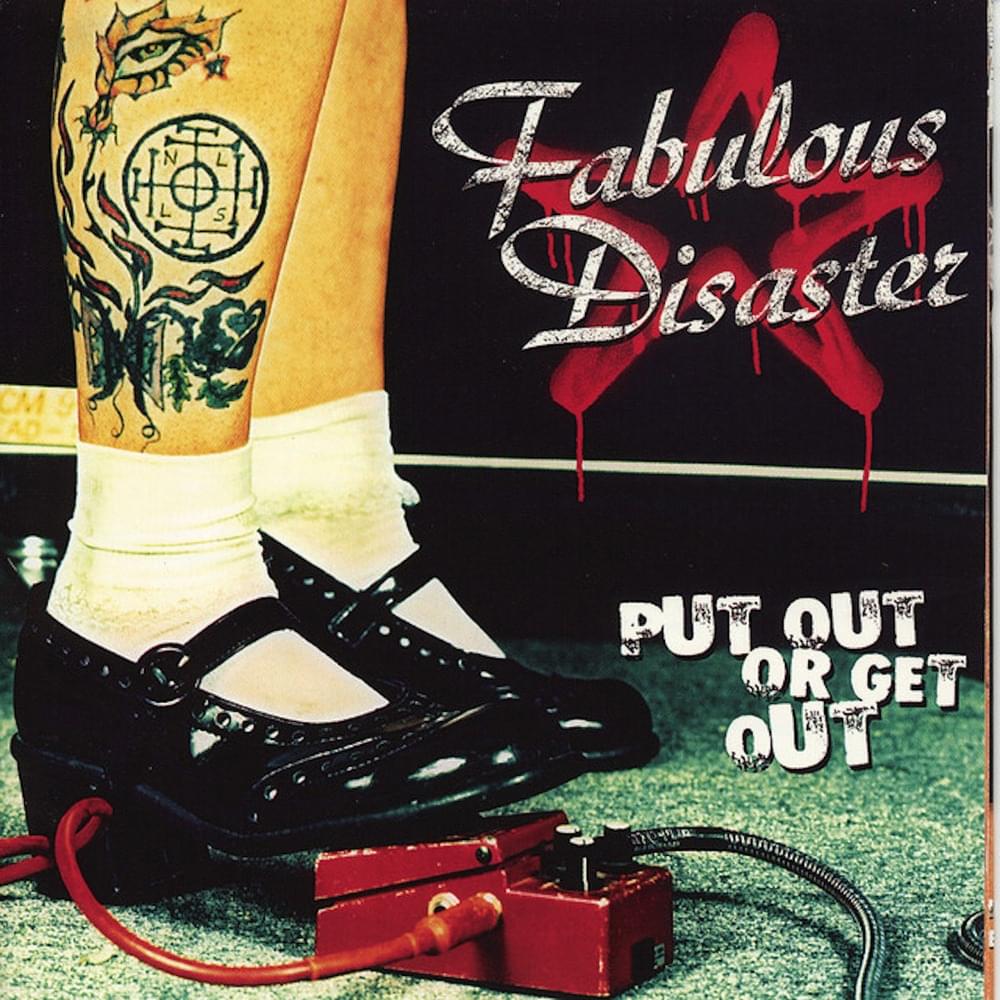
 View Artist