Song Meaning
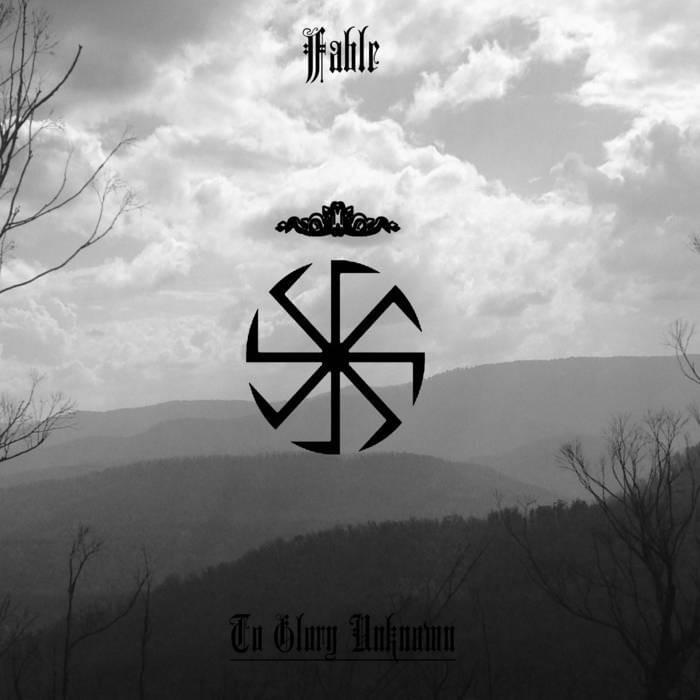
The lyrics paint a picture of a grand, almost mythical quest, but one that deliberately avoids conventional heroic landscapes like mountains or forests. Instead, the call is to the ancient seas, suggesting a journey dictated by fate and the winds, a departure from the familiar lands and peoples. This initial setup hints at an epic voyage, a seeking of freedom and destiny across the water, a stark contrast to the grounded existence of 'folk of the lands' or 'folk of the trees.'
The narrative then pivots sharply to a scene of devastation: 'Now all lies dead, Stripped of last breath.' The imagery of 'Flames to sunset' and the melancholic observation that 'In time we forget' introduce a profound sense of loss and ephemerality. This destruction follows the promised freedom of the seas, creating a powerful tension between the aspirational journey and its tragic, forgotten aftermath. The freedom offered by ships seems to have led to an ultimate, desolate end.
The focus shifts to a solitary figure, 'He who stands before the lone tree,' who possesses control – 'holds the lock, chest, and the key.' This individual, perhaps the 'Thane,' is associated with a glory as immense and final as a 'setting sun.' The instruction to 'gently sink into the sun' suggests a surrender or a final, awe-inspiring end. The lyrics then declare that this Thane will never yield to 'the last king,' and the 'Cygnet horn' signals an eternal, desolate peace, a finality that 'Never see the hollow shores.' This ending implies a definitive, perhaps bleak, closure to the grand narrative, where even the memory of the journey and its cost is lost to time and an unending, empty horizon.
 View Artist