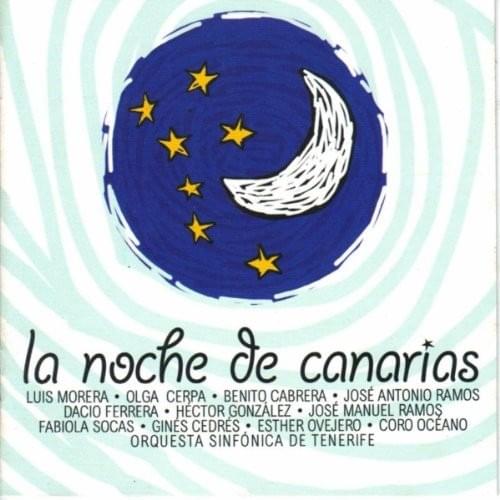
Song Meaning
The lyrics paint a picture of renewal and enduring love emanating from the earth. A new sun rises, and the land continues to offer its bounty, creating a sense of peace and belonging in every home. This natural cycle is directly linked to the flourishing of "Canarias" (Canary Islands), becoming a symbol of light and life when flowers bloom and children are happy, suggesting a deep connection between the land's fertility and human well-being.
The central tension emerges between the inherent peace and love of the land and the struggle that brought it forth. The phrase "nació en la lucha" (was born in the struggle) implies that this peaceful existence wasn't always guaranteed, but was achieved through effort and the love of its people. This duality highlights that peace and freedom are not passive states but active achievements.
The most striking element is the recurring image of a "canto de amor" (song of love) that will "brotará en el mar" (sprout in the sea), uniting the world's peoples. This poetic vision transforms a local sentiment into a universal message, suggesting that the love and peace found in the land can ripple outwards, fostering global harmony and brotherhood. The lyrics propose that collective strength, born from shared love for the homeland, is the force that allows this unity to be felt and realized.
These lyrics resonate because they ground abstract ideals like peace and unity in tangible imagery of nature and human experience. The connection between a blooming flower, a happy child, and free-walking men creates an emotional landscape where the land's vitality directly fuels human happiness and liberation. The ultimate vision of a sea-borne song of love unifying nations offers a powerful, hopeful conclusion, suggesting that the deepest connections are forged through shared affection and collective will.