Song Meaning
The lyrics paint a picture of a love that has left deep, painful scars, even though the narrator feels the object of their affection never truly valued them. There's a sense of inescapable consequence, as every action, especially in love, seems to have a lasting impact. The narrator is caught in a cycle of pain, where memories of intimacy now feel like a burning torment in a cold room, highlighting the stark contrast between past warmth and present desolation. This emotional wreckage is presented as the unavoidable price of loving someone unworthy.
The central tension lies in the narrator's struggle with the lingering effects of a destructive love. They acknowledge that every path has a return, and every action has repercussions, yet they are trapped by the intensity of what's left behind. The phrase "a ferro e fogo o amor marca deixou" (love left its mark with iron and fire) powerfully conveys the brutal, indelible nature of this past relationship. It suggests a love that was not gentle but rather a force that reshaped the narrator through hardship and pain.
A striking element is the paradoxical imagery used to describe the aftermath of this love. The room is "frio" (cold) while the bed "queima" (burns) from the memory of the person who lay there. This sharp contrast between coldness and burning perfectly encapsulates the narrator's emotional state: a chilling emptiness filled with the searing pain of remembrance. The "faca é cega, mas ainda corta" (the knife is dull, but it still cuts) further emphasizes that even a weakened or past hurt can inflict significant damage, suggesting the enduring power of emotional wounds.
Ultimately, the lyrics resonate because they articulate the profound difficulty of moving on from a love that felt unreciprocated and damaging. The narrator's declaration, "Um dia ainda volto ao começo / E apago então as marcas desse amor" (One day I will return to the beginning / And erase the marks of this love), reveals a desperate desire for erasure and a return to a state before the pain. This yearning for a reset, to undo the damage inflicted by a love that lacked mutual value, is what makes the narrator's plight so compelling and relatable.
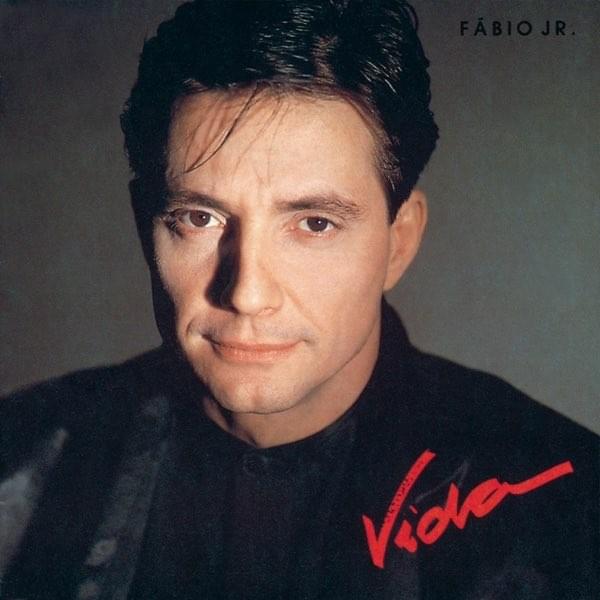
 View Artist