Song Meaning
The narrator grapples with an overwhelming, lingering love after a departure, expressing a deep sense of loss and an inability to move on. The lyrics paint a picture of someone haunted by memories, unable to forget a past relationship that has left an indelible mark. The initial lines, "Quantas vezes te liguei e não falei, quantas cartas escrevi, depois rasguei," immediately establish a pattern of unspoken feelings and discarded attempts at communication, highlighting the narrator's internal struggle and frustration.
The central tension lies in the conflict between the desire to forget and the impossibility of doing so. The narrator acknowledges attempts to "enganar a solidão" (deceive loneliness) but admits "eu sei que não tem jeito" (I know there's no way). This resignation is amplified by the rhetorical questions: "porque é que você veio se não era pra ficar?" and "Quem mandou você deixar tanta saudade em seu lugar?" These questions reveal a deep-seated hurt and a search for blame, yet the core issue remains the persistent presence of the loved one within the narrator's heart.
A particularly poignant observation is the distinction made between physical desire and true love: "Os desejos só acordam pra quem faz você sonhar, quando o amor é só no corpo, muito pouco vai ficar." This suggests that the narrator's feelings transcend mere physical attraction, implying a deeper connection that makes the current solitude unbearable. The narrator even questions their own sanity, "Pode ser que eu esteja louco, me agarrando ao que passou," but ultimately frames this devotion as the mark of a "grande amor" (great love), finding a strange solace in their own perceived madness.
The effectiveness of these lyrics stems from their raw emotional honesty and the vivid portrayal of unrequited longing. The narrator's plea, "Me ama diz que vai voltar pra mim qualquer coisa pra enganar meu coração," is a desperate cry for any semblance of hope to combat the crushing "solidão." The final lines, "Eu só tenho esse horizonte a me guiar nos oceanos," offer a fleeting, almost poetic image of guidance, but it's a guidance rooted in the memory of the departed, underscoring the enduring power of this love and the profound difficulty of finding a new path forward.
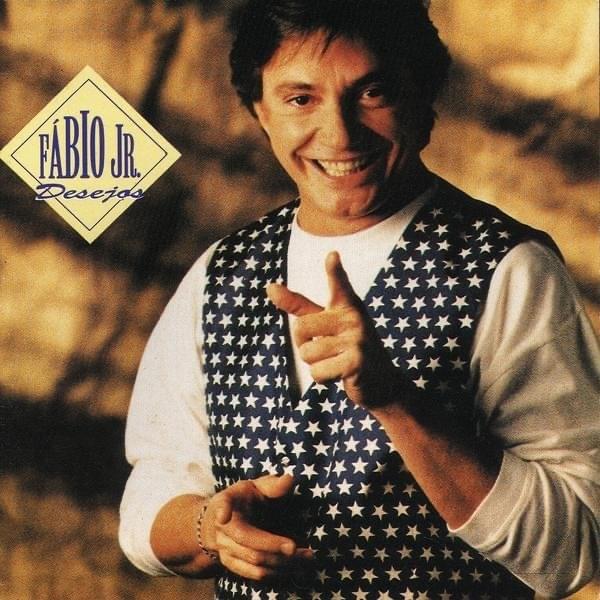
 View Artist