Song Meaning
The narrator is pleading for a lost love to return, using natural imagery as a desperate plea. The repeated invocation of "bluebirds over the mountain" and "seagulls over the sea" acts as a magical incantation, a wish cast upon the natural world to influence fate. This isn't just a simple longing; it's an almost spiritual appeal, hoping that the vastness of nature can somehow bridge the distance and mend the separation.
The core tension lies in the stark contrast between the idealized vision of a new encounter and the overwhelming desire for the past. The narrator describes a new guy with "hair just like the heaven above" and "eyes so blue," a seemingly perfect distraction. Yet, this new person is met with indifference, as the narrator's focus remains fixed on the absent "baby," suggesting the new connection is superficial and unable to fill the void left by the departed lover.
The lyrics masterfully employ repetition to underscore the narrator's singular focus and escalating desperation. The chorus, with its insistent plea, is bookended by the verses, creating a cyclical feeling that mirrors the narrator's inability to move on. The phrase "Bring my baby back to me" is repeated multiple times in the final chorus, amplifying the raw, unyielding nature of this plea and highlighting the depth of their emotional investment.
This song hits hard because it captures that specific, agonizing moment when hope feels like the only currency left. The narrator isn't just sad; they are actively trying to manipulate reality through sheer force of will and a belief in the power of natural omens. The simple, almost childlike faith in bluebirds and seagulls to deliver their love back home is both heartbreaking and profoundly human.
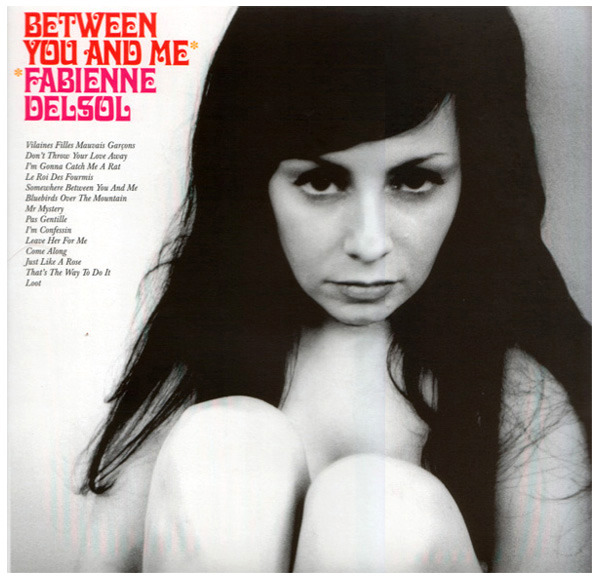
 View Artist