Song Meaning
The lyrics paint a bleak, almost nihilistic picture, immediately establishing a tone of decay and disillusionment. Phrases like "Passing grace like a whore" and "Moses is dead" suggest a world where traditional morality and guidance have been corrupted or abandoned. The opening "Try, won't you" feels less like an invitation and more like a weary, almost sarcastic plea, hinting at a struggle against overwhelming negativity.
The central tension seems to revolve around a profound sense of spiritual desolation and a rejection of conventional redemption. The narrator declares "I am widowed from a fixed shape," implying a loss of identity or a departure from a predetermined path, while the paradoxical "Peace in hell" and "Sinner's high" point to finding a perverse comfort or exhilaration in damnation. This is further emphasized by the painful realization, "Feel pain when I repent," suggesting that any attempt at returning to a righteous state is met with suffering, making the "Devil's place" a more appealing, or at least familiar, destination.
The most striking aspect is the stark contrast between innocence and corruption, particularly with the fragmented "I'm...I'm not a child." This declaration, juxtaposed with the surrounding imagery of sin and despair, suggests a premature loss of innocence or a deliberate shedding of any childlike purity. The repetition of "woah babe, sinning, woah" acts as a dark, almost hypnotic chant, reinforcing the embrace of a sinful existence as the only available reality, a stark departure from any notion of divine favor or guidance.
Ultimately, these lyrics derive their power from their unflinching portrayal of spiritual bankruptcy and the grim acceptance of it. The deliberate subversion of religious imagery and the embrace of paradox create a disorienting yet potent emotional landscape. The writing doesn't offer solace; instead, it confronts the listener with a raw, unvarnished depiction of a soul adrift, finding its only "peace" in the very places society deems lost.
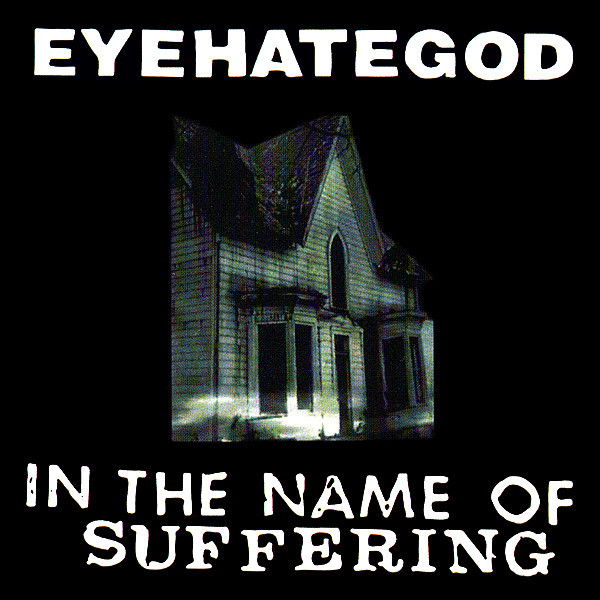
 View Artist