Song Meaning
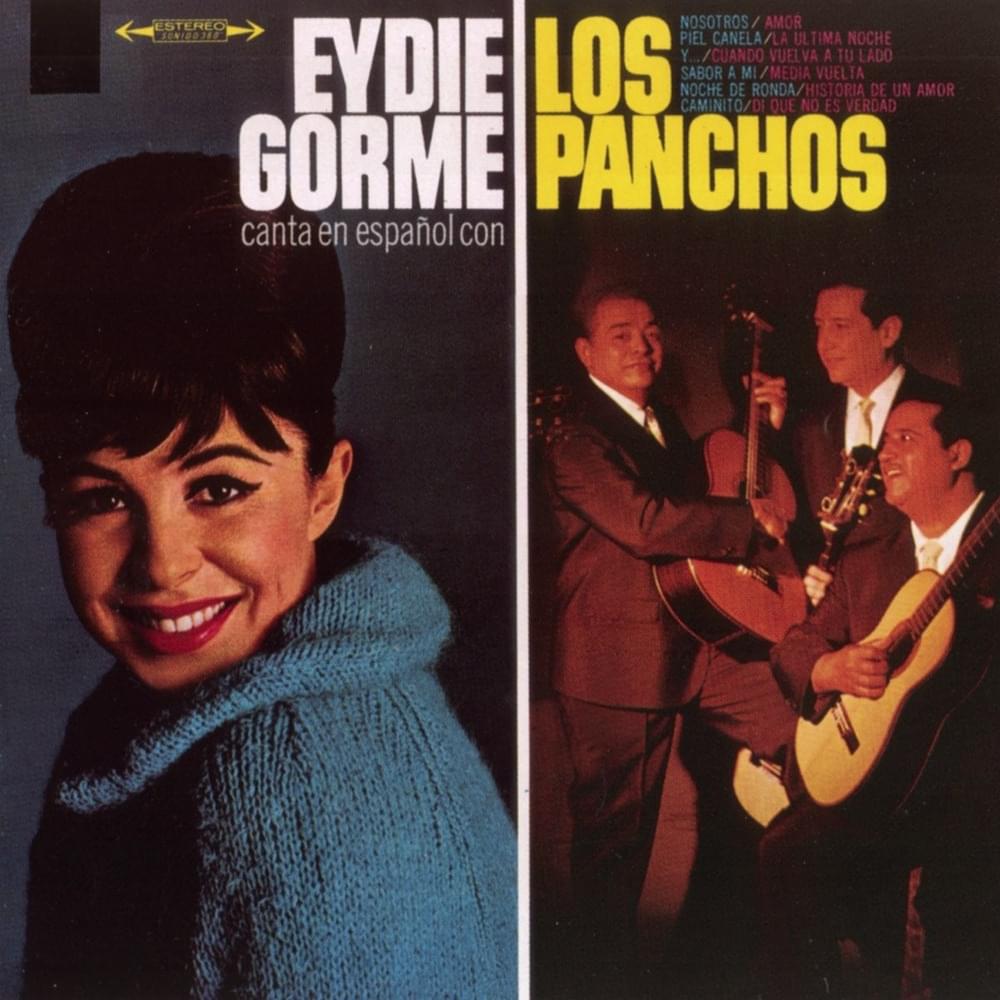
Eydie Gormé's "Y..." isn't just a song; it's an excavation of heartbreak, a forensic examination of love gone septic. The repeated "Y..." (And...) functions as a relentless interrogative, each verse a fresh, stinging question hurled at a lover who has betrayed a sacred vow. The lyrics drip with a wounded pride, a desperate attempt to reconcile the idealized past with the brutal reality of abandonment. Gormé doesn't simply lament the loss; she dissects it, demanding an explanation for the shattered promises and the death of hope. The song's power lies in its vulnerability—the raw exposure of a soul grappling with betrayal. It’s a very human response to the cognitive dissonance that arises when love turns to ash.
Consider the lines where she reflects on the lover as the "flame" of her life and the "source of my glory." This isn't mere romantic flourish; it's an admission of profound dependence, a vulnerability that makes the subsequent betrayal all the more devastating. The lyrics hint at a deep intertwining of identities, where the lover's actions have not only broken a heart but also fractured the singer's sense of self. This is more than just lost love; it's a crisis of identity fueled by a partner's betrayal. The repeated queries are not just for information, but for some sort of justification that could somehow make sense of the situation.
The undercurrent of forgiveness, however, complicates the narrative. The plea, "If you tell the truth, I forgive you," reveals a profound internal conflict. Is this genuine forgiveness, or a desperate attempt to salvage a shred of dignity? The final image – carrying the lover in her memory "next to God" – is deeply ambiguous. It could represent a spiritual transcendence of the pain, a placement of the lost love in a realm beyond earthly suffering. Or, perhaps more darkly, it suggests a form of martyrdom, where the singer elevates the betrayer to a position of undeserved grace, forever bound to the memory of the one who caused such profound pain. The song meaning resides in this tension, never resolving the push-pull between anger, grief, and a lingering, perhaps self-destructive, capacity for forgiveness.
 View Artist