Song Meaning
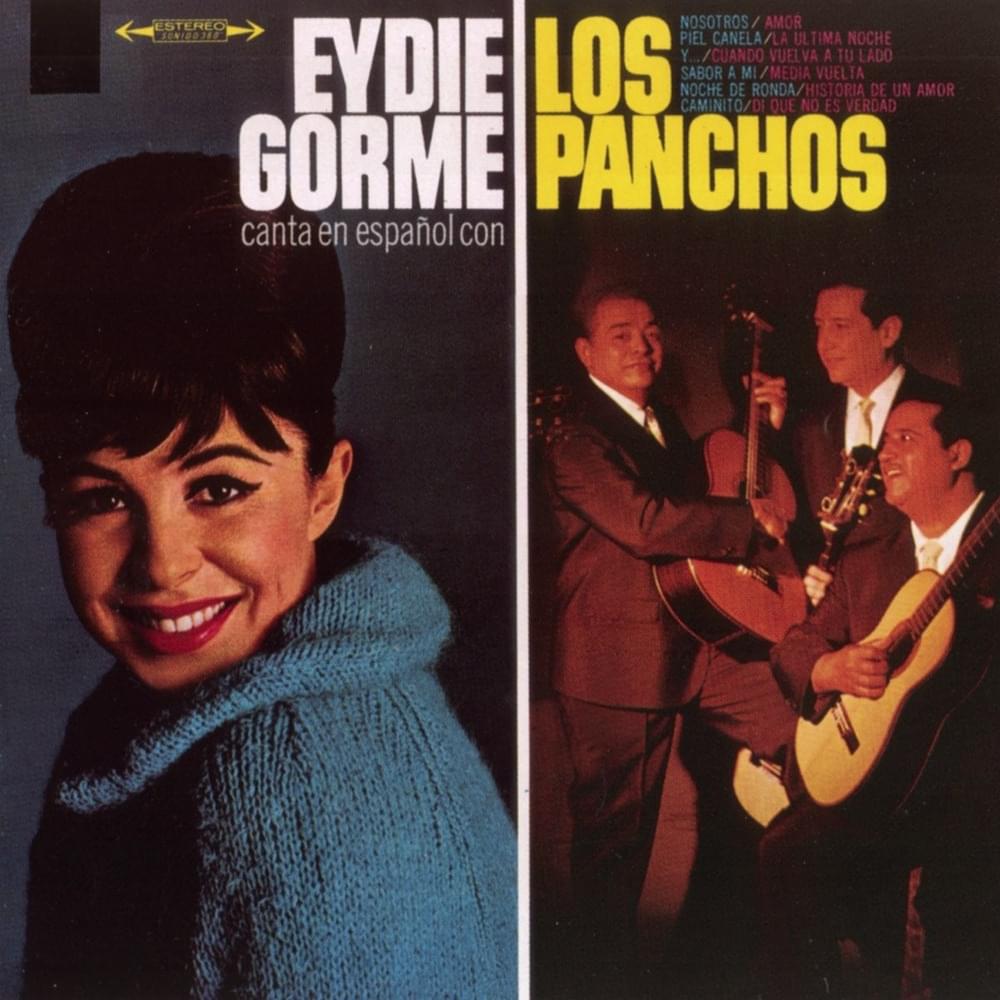
{"song_id": 14016705, "meaning": "Eydie Gormé's \"Media Vuelta\" is not just a song; it's a masterclass in controlled emotional chaos, a power ballad dipped in the honey of manipulation. The singer isn't pleading for love; she's dictating its terms, wielding absence as a weapon. The opening lines, \"Te vas porque yo quiero que te vayas / A la hora que yo quiera te detengo,\" establish a dynamic of dominance so stark it borders on theatrical. This isn't about affection, but about control – a desire to orchestrate the departure and, implicitly, the return. The lyrics drip with a possessiveness that's both unsettling and undeniably captivating. \"Yo sé que mi cariño te hace falta / Porque quieras o no / Yo soy tu dueño\" isn't a declaration of love; it's a claim of ownership, suggesting the singer views her partner as an extension of herself. This reflects a deep-seated insecurity, masked by an aggressive assertion of power.
The song meaning evolves into something even more complex. The singer actively encourages exploration and even infidelity: \"Yo quiero que te besen otros labios / Para que me compares / Hoy, como siempre.\" This isn't generosity; it's a calculated risk, a twisted game of emotional one-upmanship. The assumption is that any alternative experience will pale in comparison, reinforcing the singer's perceived superiority. This hints at a fragile ego, desperately seeking validation through the inevitable return of her partner. The lyrics reveal a mind that perceives love as a competition, a zero-sum game where one person must always hold the upper hand.
Ultimately, \"Media Vuelta\" pivots on a conditional surrender. The promise to \"daré la media vuelta / Y me iré con el sol / Cuando muera la tarde\" is only triggered if a 'better' love is found. This conditionality underscores the singer's profound insecurity. It’s a theatrical exit strategy, designed to reclaim power even in supposed defeat. The very act of offering an escape route is a manipulation, a final, desperate attempt to control the narrative. The song's brilliance lies in its unflinching portrayal of a toxic relationship dynamic, where love is a battleground and vulnerability is a weakness to be exploited. Eydie Gormé delivers not just a performance, but a psychological profile in song."}
 View Artist