Song Meaning
The narrator sits alone, grappling with past mistakes and the absence of a loved one. He directly addresses his heart, questioning his past role in the relationship and admitting to having "ruined everything." The isolation is palpable, so much so that he describes himself as "dangerous" to himself when she's not around, highlighting a deep dependence and the constant presence of her memory.
The core tension lies in the repeated confession: "I was wrong." This isn't a simple apology; it's a desperate plea, emphasizing that the mistakes were unintentional despite his best efforts. He swears he "tried" to be the best for her, suggesting a profound internal conflict between his intentions and his actions. The phrase "in all the places I was" implies a pattern of behavior or association that was detrimental to the relationship.
The lyrics reveal a poignant contrast between the narrator's internal state and his external actions. While he claims he "tried" to be good, his presence "in all the places" and with people she disliked indicates a disconnect. He finds solace only in creating music, confessing that "hundreds of songs" are dedicated to her, underscoring how his creative output is a direct reflection of his longing and regret. Friends offer no real comfort, merely "coloring the period," suggesting their presence is superficial compared to the depth of his feelings.
This song hits hard because of its raw vulnerability and the specific, almost painful, honesty of its confession. The repetition of "I was wrong" isn't just a refrain; it's the sound of someone truly reckoning with their failures. The narrator's admission of being dangerous to himself when alone, coupled with his constant creative output dedicated to her, paints a picture of someone consumed by regret and an unfulfilled desire to make amends.
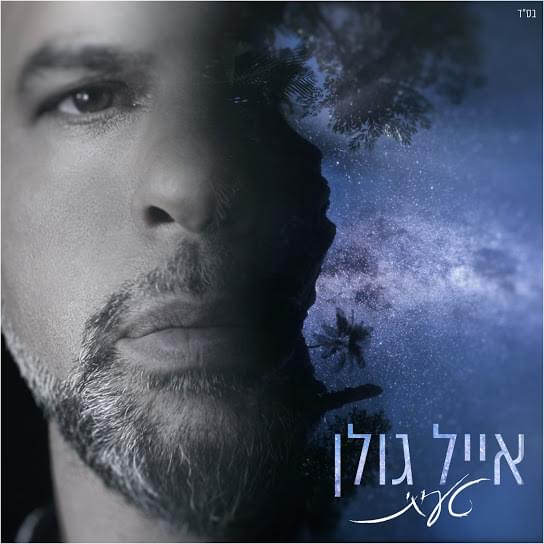
 View Artist