Song Meaning
The lyrics paint a stark picture of a missed connection, a moment of profound realization that arrives just beyond the point of no return. The repeated phrase "נפגשנו מאוחר מדי" (we met too late) immediately establishes a tone of regret and finality. The narrator acknowledges the other person's declaration of love and commitment to someone else, "שבנית איתו בית, שטוב לך איתו" (that you built a home with him, that you are good with him), creating a palpable sense of dashed hopes.
Despite the external declaration of contentment, the narrator observes a flicker of shared emotion, noting, "ראיתי שגם את נסערת" (I saw that you too were agitated) and "רעדת מעט שהיבטת בעיני" (you trembled a little when you looked in my eyes). This subtle physical reaction suggests an unspoken connection or a lingering possibility, a shared internal turmoil that contrasts sharply with the spoken words of commitment. It's this internal conflict, the gap between outward statements and inward feelings, that forms the core tension.
The central conceit revolves around the idea of "אולי בזמן אחר, אולי במציאות אחרת" (perhaps at another time, perhaps in another reality). This hypothetical framing highlights the inescapable nature of their current circumstances. The narrator imagines a different timeline where their union could have flourished, where her beauty could have graced his life, but this imagined future is always tethered to the present reality of "מאוחר מדי" (too late).
This lyrical construction is effective because it grounds an abstract feeling of regret in concrete, albeit brief, observations and declarations. The repetition of the core phrase hammers home the inescapable nature of their situation, while the imagined "other reality" offers a poignant counterpoint, emphasizing what could have been. The power lies in the quiet acknowledgment of a profound, unfulfilled potential, a love that exists only in the realm of "what if."
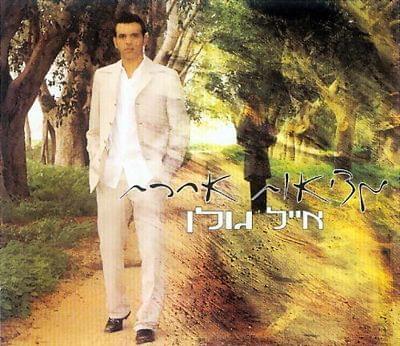
 View Artist