Song Meaning
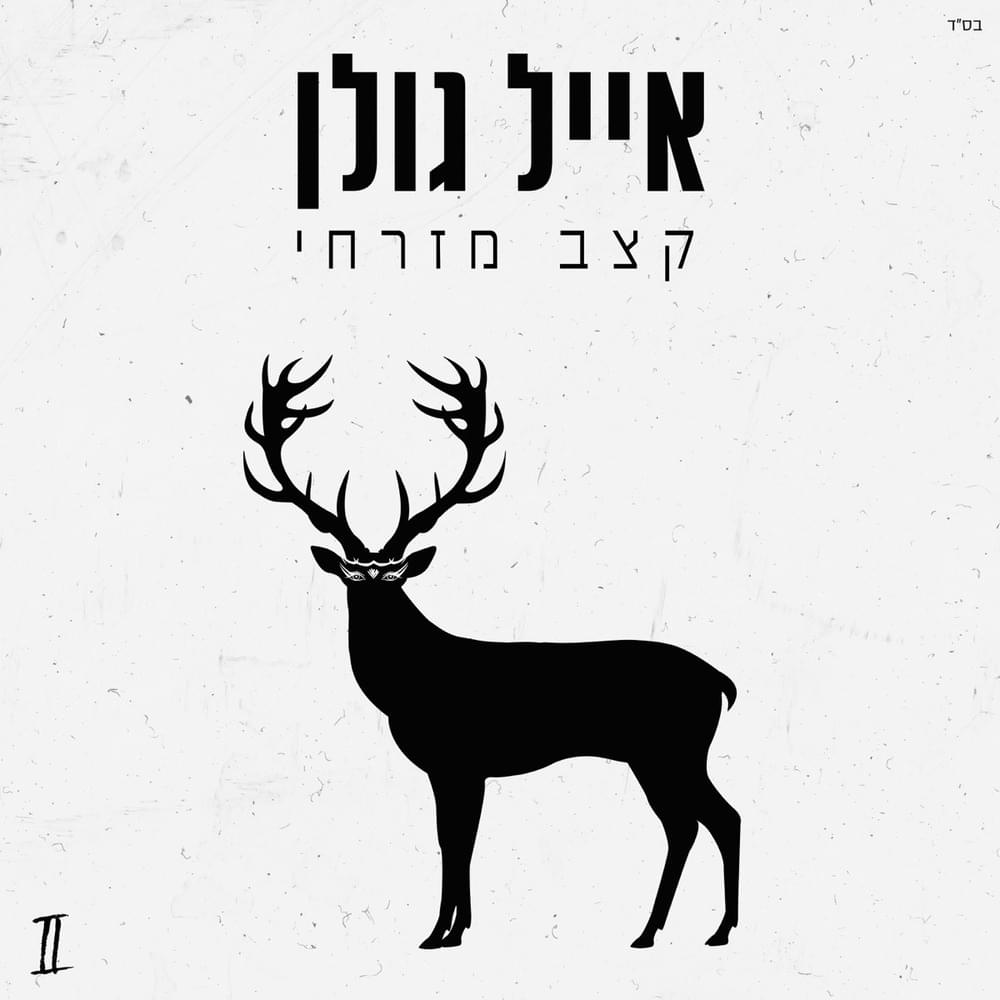
This track kicks off with an immediate invitation to a party, a "mizrahi beat" that's meant to override "techno and English." The narrator is promising a hit, a "hafla" (party) that's about to begin. It's a call to embrace a specific cultural sound and energy, setting a vibrant, anticipatory tone right from the start. The language is direct and celebratory, aiming to get listeners moving.
The core tension lies in the desire for an authentic, culturally rooted celebration versus the prevalence of other sounds. The lyrics explicitly reject "techno and English" in favor of "mizrahi" rhythm, suggesting a conscious choice to highlight a particular style of music and festivity. This isn't just a party; it's a statement about the kind of joy being created, one that feels deeply connected to its origins. The phrase "Ya habibi marhaba" grounds the scene in a warm, Middle Eastern welcome.
The craft here is in its directness and its embrace of a specific cultural lexicon. Phrases like "ketzev mizrahi" (Mizrahi beat) and "hafla" are not just descriptive; they are the very essence of the song's identity. The repetition of "hafla" and the inclusion of Arabic/Hebrew slang create an immersive, authentic atmosphere. The narrator's self-description as a "machine" coming to "make you a neighborhood" suggests a powerful, almost industrial force of fun, capable of transforming any space into a lively gathering.
What makes these lyrics hit is their unpretentious, infectious energy. It's a pure expression of wanting to create a good time, rooted in a specific musical tradition. The lyrics don't overcomplicate; they simply declare the intention to party hard with a particular sound. The promise of "a night awaits us" and the ecstatic "Wai wai ti nai nai" capture that feeling of unbridled, communal joy that transcends language barriers, even as it celebrates a specific one.
 View Artist