Song Meaning
The lyrics paint a picture of a cyclical, painful return to a relationship that’s clearly over. The narrator keeps coming back, drawn to a light or a destination, only to be met with rejection. This repeated denial, articulated by the repeated phrase "ואת אומרת: 'לא'" (and you say: 'no'), is the central source of the narrator's pain. It’s a desperate, futile attempt to recapture something that the other person has definitively closed off, leaving the narrator feeling lost and without direction.
The core tension lies in the narrator's inability to move on, despite the clear signals of finality from the other person. The narrator admits to being "אחד שאין לו דרך" (one who has no way) and "אחד שאין לו דרור" (one who has no freedom), highlighting a sense of being trapped in this unrequited pursuit. This is amplified by the revelation that the other person "מזמן רציתי אחד אחר" (long ago wanted someone else), underscoring the futility of the narrator's efforts and the one-sided nature of their lingering feelings.
A striking element is the narrator's self-perception and the lingering memory of a past declaration. The lines "את תמיד אמרת שהייתי הראשון" (you always said I was the first) are juxtaposed with the current rejection. This past affirmation, now a source of bitter irony, leads to the poignant offer: "אז אשמור לך את השיר האחרון" (so I'll save the last song for you). It suggests a final, artistic act of preservation for something that can no longer be, a melancholic acknowledgment of an ending.
This song resonates because it captures the raw, disorienting feeling of being stuck in the aftermath of a relationship’s end. The repeated cycle of hope and rejection, the internal struggle for freedom, and the haunting echo of past affection all combine to create a powerful sense of loss. The narrator’s search "ברחובות" (in the streets) for release from "להתיר את סבך הקשר" (to untangle the knot of the connection) is a tangible image of this desperate, ongoing struggle against an inevitable conclusion.
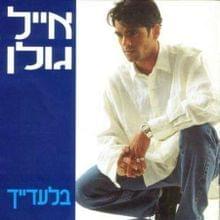
 View Artist