Song Meaning
The lyrics paint a picture of an idealized island escape, a place where the dominant desire is simple: "Happiness and sunshine." This refrain, repeated relentlessly, establishes a mood of escapism and a yearning for a life free from complication. The narrator feels a pull towards this destination, personifying Nassau as a nurturing "mother" watching over them, suggesting a deep comfort and perhaps a longing for a return to a simpler, more protected state.
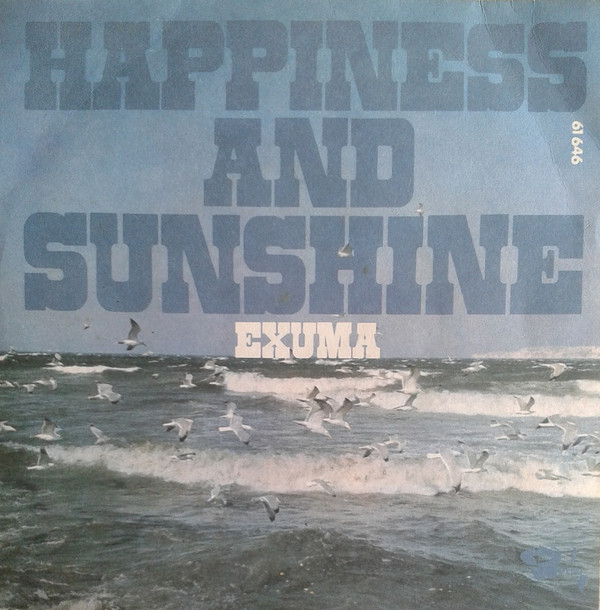
The central tension lies between this idyllic vision and the implied reality the narrator is escaping. The island is presented as a sanctuary where "gentle people" exist, notably, they "don't know of war." This stark contrast suggests that the narrator's current world is one burdened by conflict or hardship, making the pursuit of "happiness and sunshine" not just a preference, but a desperate need. The conch men honoring the sea and seagulls flying free further enhance this image of natural harmony and freedom, elements seemingly absent from the narrator's origin.
The most striking craft element is the sheer, almost hypnotic repetition of the chorus. It functions like a mantra, reinforcing the singular focus on "happiness and sunshine" to the exclusion of all else. This obsessive repetition mirrors the narrator's own fixation, making the listener feel the weight of this singular pursuit. The imagery of the seagulls being "free" also serves as a powerful, yet simple, counterpoint to the implied confinement or struggle the narrator is trying to leave behind.
Ultimately, these lyrics resonate because they tap into a universal desire for peace and uncomplicated joy. The writing effectively uses repetition and idealized imagery to create a potent sense of longing. By contrasting the serene island with an unspoken, troubled reality, the song captures the powerful pull of escapism and the deep human need for a place where only simple pleasures matter.
 View Artist