Song Meaning
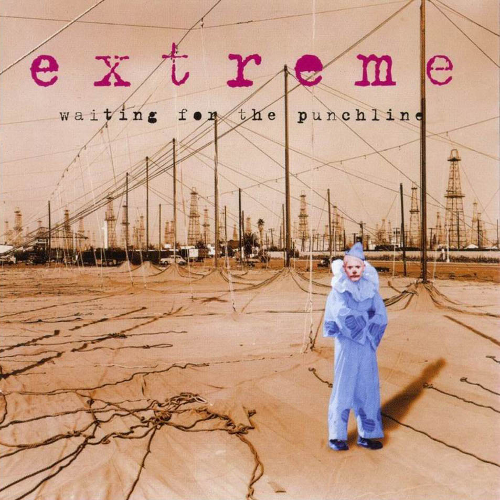
This track captures a profound sense of disillusionment, a feeling that life's expected jokes and silver linings have simply failed to materialize. The narrator opens by admitting a lost sense of humor, a surprising admission that suggests a long-standing internal shift rather than a sudden event. They question the value of anything beyond the superficial, confessing a personal lack of "material" for wit or joy, setting a tone of weary resignation. The familiar setup of the chicken crossing the road, a classic joke structure, becomes a metaphor for this existential waiting game. The narrator is stuck, perpetually anticipating a resolution or a humorous twist that never arrives, highlighting a disconnect between expectation and reality.
The central tension lies in the contrast between past and present emotional states. The narrator recalls a time when they "usually a quick with I found me amusing," indicating a former capacity for lightheartedness and wit. This past self, characterized by a "smile" and a penchant for amusement, is now gone, deemed "out of style." The lyrics suggest this isn't about external factors like a specific person's actions, but an internal failure to grasp a "bad joke that's gone over my head." This internal disconnect fuels the persistent feeling of waiting for a punchline that never lands, leaving the narrator in a state of suspended, unamused anticipation.
The recurring motif of "waiting for the punchline" is powerfully amplified by the juxtaposition with well-worn platitudes. The classic joke about the chicken's motivation and the adage about greener grass on the other side are presented not as comforting truths, but as failed promises. The narrator's inability to reach "the other side" – whether literally or metaphorically – underscores their stagnant position. The line "Ladder plus time, equals comedy" offers a cynical take on tragedy, suggesting that humor only arises in retrospect or from a detached perspective, a perspective the narrator currently lacks, leaving them trapped in the un-funny present.
Ultimately, the effectiveness of these lyrics stems from their raw, almost bleak honesty about the absence of expected joy. The narrator's self-awareness, coupled with the use of familiar cultural touchstones twisted into symbols of their own disillusionment, creates a potent emotional resonance. It’s the quiet despair of realizing that the jokes aren't funny anymore, and the expected rewards are nowhere in sight, leaving one perpetually waiting for a payoff that may never come.
 View Artist