Song Meaning
The lyrics confront a figure claiming to be a messiah, immediately casting doubt on their authenticity by labeling them a "blasphemous liar" and a "hypnotic hoax." The narrator questions the repetitive, yet never identical, nature of the stories told, suggesting a manipulation of "distorted truths." The reference to "Thomas wants some proof" and the accusation of performing "magician's trick[s]" highlight a skepticism towards claims of divine power, framing them as mere performance rather than genuine miracles. The narrator sees a "generation seeks a sign" being misled, with the "blind keeps leading the blind."
The central tension revolves around the assertion "there is no God," presented as a "clever man's charade" and a "fairy tales fraud." This provocative statement immediately flips the script, questioning the very origin of belief: "Has God made man or man made God?" The narrator seems to grapple with this idea, not necessarily endorsing it, but using it to dismantle the supposed messiah's authority. The repeated, stark declaration "There is no God" acts as a refrain, a challenge to the established order of faith and the figure peddling it.
The writing cleverly contrasts superficial knowledge with true wisdom. The narrator dismisses "this month's flavor sciences" and "Today's fact, tomorrow's fiction" as fleeting, suggesting that genuine understanding comes not just from "learning books" but from "discerning looks." This implies that the supposed messiah, and perhaps those who blindly follow, lack the critical insight to see through the deception. The narrator's stance on the "fool that says there is no God" is complex; they express pity for the "sorry sod" who needs "proof" and might be "deceived," indicating a deeper concern about the consequences of such pronouncements.
What makes these lyrics resonate is their direct, confrontational style and the way they dissect the mechanics of deception. By framing the messiah as a performer of "charade[s]" and "fraud[s]," the lyrics invite the listener to question authority and the nature of belief itself. The ambiguity surrounding who is truly deceived—the messiah, the followers, or even the narrator—creates a compelling intellectual puzzle, making the listener re-evaluate the very foundations of faith and skepticism.
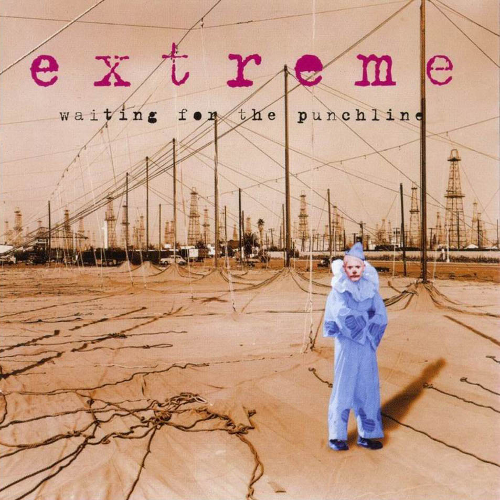
 View Artist