Song Meaning
The lyrics paint a stark picture of lingering pain and the destructive cycle of seeking retribution. The opening lines immediately establish a sense of deep, hidden hurt, suggesting that past betrayals, symbolized by "a thousand empty words," have left "unhealed scars." This isn't just about superficial wounds; it's about the profound damage inflicted by broken promises and insincere interactions. The repeated phrase "forgive and forget" feels like a hollow platitude, contrasted sharply with the narrator's active pursuit of "revenge" and the acknowledgment that they are "chasing shadows."
The core tension arises from the conflict between a desire for resolution and the inability to move past betrayal. The "false smiles" and "broken vows" point to a world where trust is consistently undermined, leading to a sense of internal decay, the "guilt of conquests dead inside." This internal rot fuels a need to confront those who have caused harm, even if the targets are elusive or the actions are ultimately futile, as indicated by the "chasing shadows" motif.
The craft here is in the potent, almost visceral imagery of decay and deception. Phrases like "choking on the stench of our deceit" and "living the wreckage of these regrets" create a suffocating atmosphere. The idea of "unsettled scores never laid to rest" emphasizes a perpetual state of conflict, where past grievances prevent any forward movement. The narrator appears trapped, "awaiting idols to fall," suggesting a desperate hope for external validation or justice that never fully arrives.
Ultimately, these lyrics hit hard because they articulate the exhausting, self-destructive nature of holding onto anger and seeking vengeance. The writing doesn't offer easy answers; instead, it immerses the listener in the bitter aftermath of betrayal and the futile pursuit of retribution. The emotional weight comes from the raw depiction of regret and the suffocating presence of deceit, making the cycle of pain feel inescapable.
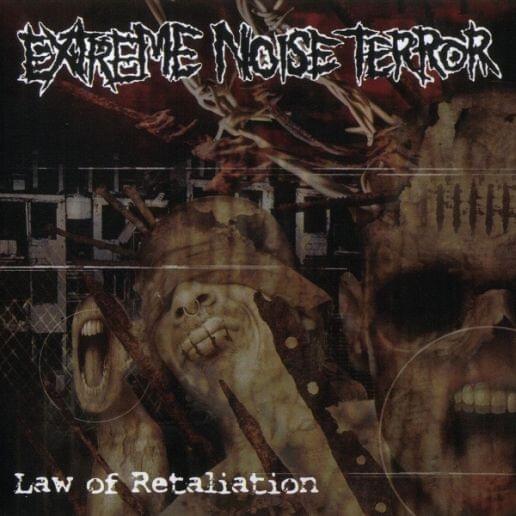
 View Artist