Song Meaning
The lyrics paint a stark picture of a life trapped in a stagnant, meaningless existence. The opening lines immediately establish a sense of futility, describing a "dead end void" and a "puerile existence" where ambitions have faded into a "vacant urge." This sets a tone of profound disillusionment, suggesting a deep internal emptiness and a resignation to a life devoid of purpose or forward momentum. The narrator feels "empty inside, devoid reality," highlighting a disconnect from genuine experience and a passive acceptance of stagnation.
The central tension arises from the conflict between a lost sense of self and the overwhelming presence of destructive internal forces. Aspirations are "lost" and "buried in the past," while the mind is plagued by "malevolent thoughts" that "bring demise." This internal turmoil is described as "convulsing rage" and "nightmare scenes still breed inside," indicating a battle against one's own darker impulses. The phrase "mind over mayhem" appears twice, suggesting a desperate, perhaps futile, attempt to exert control over this internal chaos, even as the narrator feels "hollow inside" and "racked with guilt."
The craft here is in the relentless, almost suffocating, use of words that evoke decay and emptiness. Phrases like "dead end void," "vacant urge," "soul desecration," and "devoid reality" create a consistent atmosphere of desolation. The repetition of "sands of time" and the imagery of sinking and being buried emphasize the feeling of being overwhelmed and lost to the passage of time. The contrast between the internal "mayhem" and the external "mask" suggests a hidden struggle, a performance of normalcy masking deep internal distress.
These lyrics resonate because they articulate a profound sense of existential dread and internal conflict with stark, unsparing language. The focus on the internal landscape, the feeling of being trapped by one's own thoughts and lost potential, creates a powerful emotional impact. The repeated "mind over mayhem" acts as a desperate mantra, underscoring the struggle for control in the face of overwhelming internal chaos, making the narrator's plight feel intensely personal and raw.
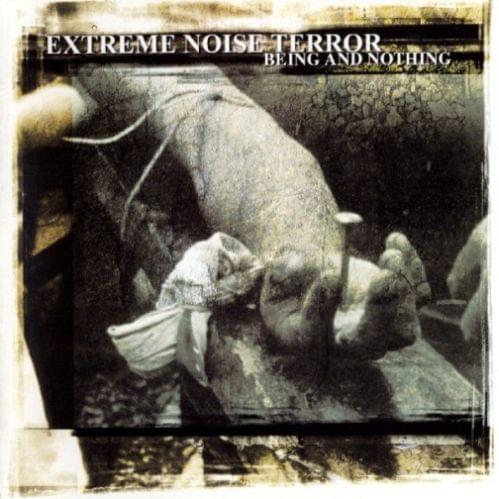
 View Artist