Song Meaning
These lyrics paint a picture of utter moral and societal decay, a descent into a hellish landscape where pleasure and destruction are intertwined. The narrator seems to envision a world transformed into a nightmarish spectacle, a fusion of historical depravity and infernal torment. The explicit references to "Caligula's Rome" and Dante's "Inner Circle of Hell" immediately establish a tone of extreme decadence and damnation. It's a vision of a universe collapsing under the weight of its own worst impulses.
The central tension lies in the narrator's apparent embrace of this collapse, deriving "sexual gratification" from the "grotesque and dark beauty" of the scene. This isn't just a passive observation of ruin; it's an active participation, a "carnival of lust" fueled by "selfish lust for pleasure" and "power." The lyrics suggest a perverse enjoyment in the unfolding chaos, a "whipping ourselves into greater orgies of destruction."
The repeated imagery of a "bizarre carnival" and "harvest festival" is particularly striking. It transforms the horrific into something almost festive, a macabre celebration. The "absurd posturing of the deformed" and "the dead... pieces of performance art" further blur the lines between life and death, beauty and horror, turning the entire world into a stage for a "passionate dance with Death." This juxtaposition of the celebratory and the catastrophic is where the lyrics' disturbing power resides.
Ultimately, the effectiveness of these lyrics stems from their unflinching commitment to a singular, extreme vision. The relentless focus on "lust," "destruction," and "perversion" creates a suffocating atmosphere. The narrator's apparent acceptance, even enjoyment, of this "flesh havoc" makes the descent feel both inevitable and terrifyingly seductive, leaving the listener with a sense of profound unease.
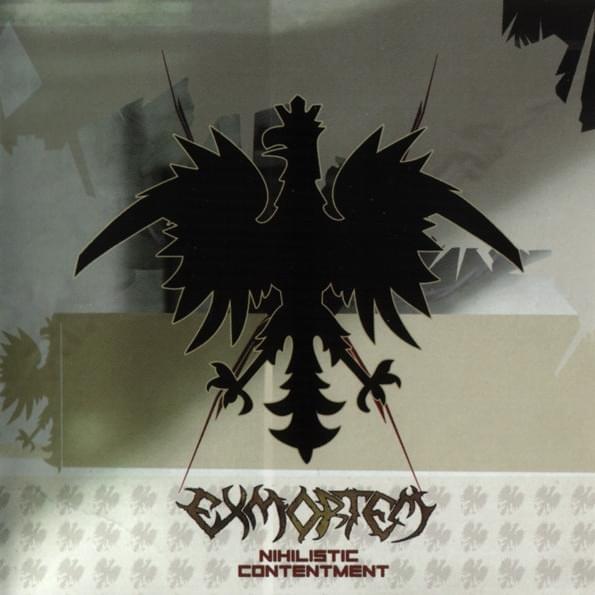
 View Artist