Song Meaning
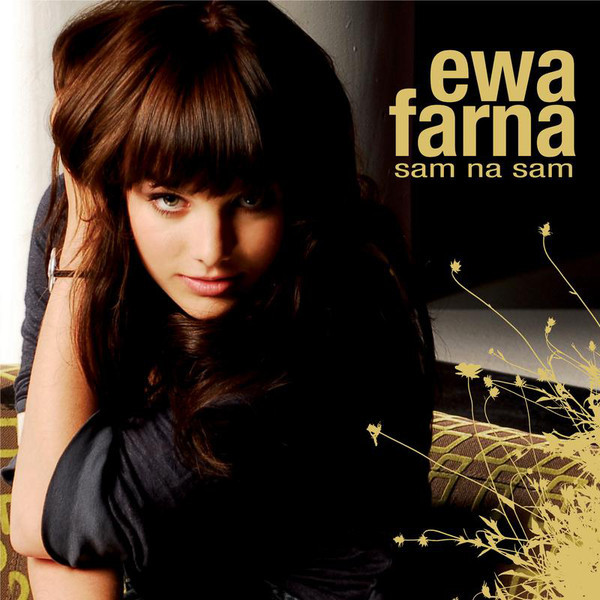
Ewa Farna's "Sam Na Sam"—translated roughly as "Alone Together" or "One on One"—isn't your typical breakup anthem soaked in melodrama. Instead, it's a coolly detached post-mortem of a relationship suffocating under the weight of its own monotony. The song’s genius lies in its paradox: the couple is physically together ("sam na sam"), yet emotionally isolated, each existing in their own lonely space. Farna isn't necessarily lamenting the loss of love; rather, she's dissecting the slow, agonizing death of passion. The phrase "Na serce dziś umiera miłość nam" (today love dies in our hearts) isn't a cry of anguish but a statement of fact, delivered with a shrug. There is a certain ambivalence present in her voice, as if she is trying to convince herself and her partner that parting ways is for the best.
The lyrics dismantle the expected tropes of heartbreak. There's no pleading, no desperate clinging, just a pragmatic acceptance of the inevitable. Lines like "Nie rób scen / Dla frajera" (Don't make a scene / For a sucker) and "Przecież nikt na miłość nie umiera" (No one dies of love) reveal a hardened emotional landscape. Farna isn't interested in performative grief; she's cutting ties and moving on. The repetition of "Mogę być / Całkiem sama" (I can be / Completely alone) reinforces her self-sufficiency and willingness to embrace solitude rather than endure a passionless partnership. The core of the song meaning is the painful recognition that sometimes, the most courageous act is to walk away, even when there's no external drama, no grand betrayal, just the quiet erosion of connection.
The repeated refrain of "Na nowy ruszam bal / Starego nie jest żal" (I'm starting a new ball / I don't regret the old) isn't necessarily an expression of joy, but an assertion of agency. It's a declaration that she's choosing to actively participate in her own life, rather than passively accepting a joyless status quo. In the landscape of contemporary pop, where raw emotion is often prioritized, Ewa Farna's "Sam Na Sam" stands out for its unflinching honesty and its willingness to explore the complexities of love's decline with a clear-eyed, almost clinical perspective. It’s a song for those who have outgrown the need for histrionics and are ready to face the future on their own terms.
 View Artist