Song Meaning
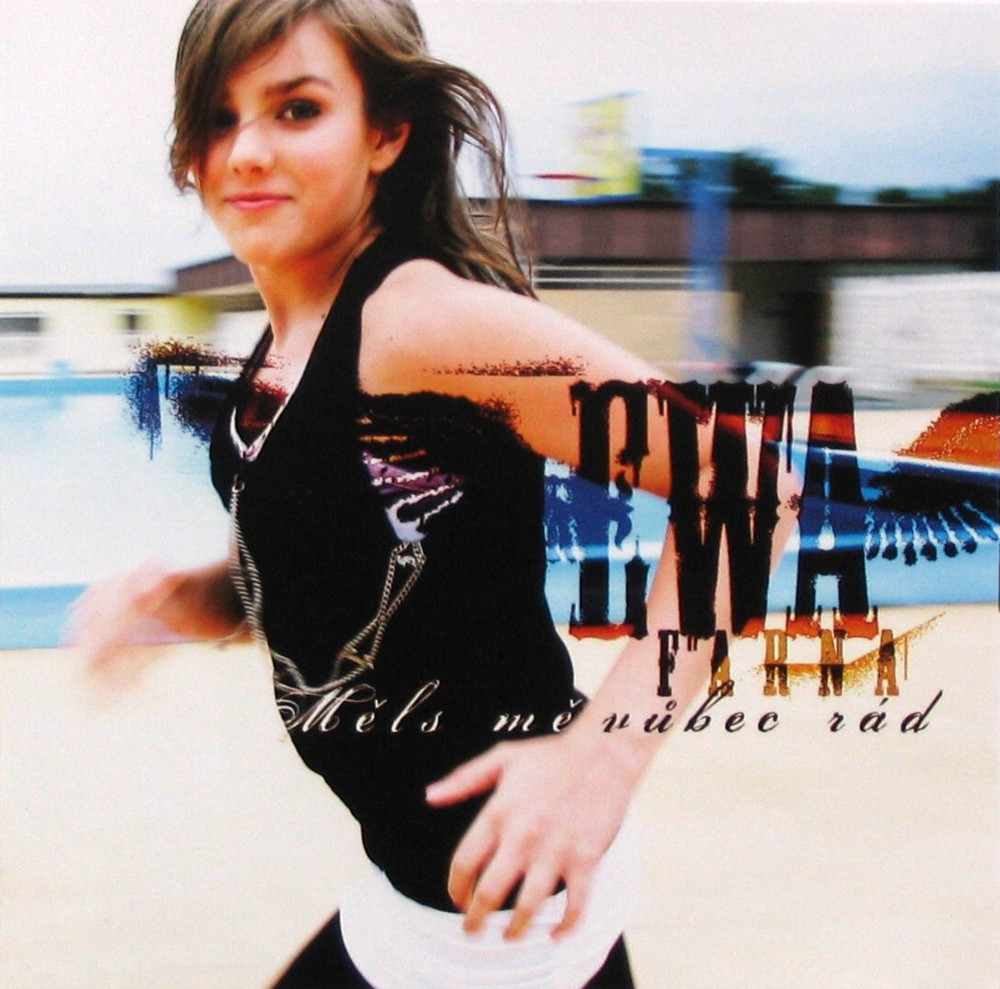
{"song_id": 14018558, "meaning": "Ewa Farna's \"Bez tebe to zkouším\" captures the push and pull of a deeply ambivalent relationship, a space where love and anxiety intertwine. The song circles around the core conflict: the singer's repeated attempts to be without the other person, despite the magnetic pull that draws them back together. It's a familiar paradox, amplified by the vulnerability of knowing one's own patterns. The opening lines hint at premonitions of abandonment, \"Možná už víš jak mě necháš jít\" (\"Maybe you already know how you'll let me go\"), showcasing an awareness of the potential for pain lurking within the connection. This creates a defensive posture, a self-protective urge to withdraw before the inevitable hurt arrives.
The chorus, with its recurring line \"Já bez tebe to zkouším\" (\"I'm trying to do it without you\"), reveals the cyclical nature of the struggle. It's not a clean break, but a series of attempts, each undermined by the intoxicating ease experienced in the other's presence: \"Když s tebou volně dýchám\" (\"When I breathe freely with you\"). This juxtaposition highlights the core of the song's meaning: the addiction to comfort and the fear of its withdrawal. The lyrics suggest a power dynamic where the singer feels both protected and endangered, \"Možná se spálím ty mě zachráníš\" (\"Maybe I'll get burned, you'll save me\"). This reinforces the sense of dependency, the need for rescue that perpetuates the cycle of trying to leave and then returning.
The repeated question, \"Tak proč to znovu zkouším / Sama být\" (\"So why am I trying again / To be alone\"), is the heart of the song's emotional honesty. There's no easy answer, no simple resolution. The singer is trapped in a loop of conflicting desires, acknowledging the pain (\"Když vím už co mě pálí\" - \"When I already know what burns me\") yet unable to fully sever the connection. The final repetition of “Sama být” (“To be alone”) fades out, leaving the listener suspended in the unresolved tension of the singer's struggle, the poignant question hanging in the air."}
 View Artist