Song Meaning
The lyrics paint a picture of hidden truths and fractured relationships, all underscored by a profound sense of singular devotion. We open with a child's perspective, hinting at secrets kept "under Moshe's father's bed," suggesting a world where innocence coexists with concealed adult complexities. Yet, the narrator asserts a simple, unwavering truth: "I have none but you." This refrain acts as an anchor amidst the unfolding narratives of others.
The song then shifts to the story of "Aharon," whose divorce and subsequent remarriage create a ripple effect, leaving him with "five children" and a return to Tel Aviv. This vignette of adult upheaval and fractured families contrasts sharply with the narrator's steadfast declaration. The repetition of "I have none but you" becomes more poignant, highlighting a personal constancy against a backdrop of societal and familial instability.
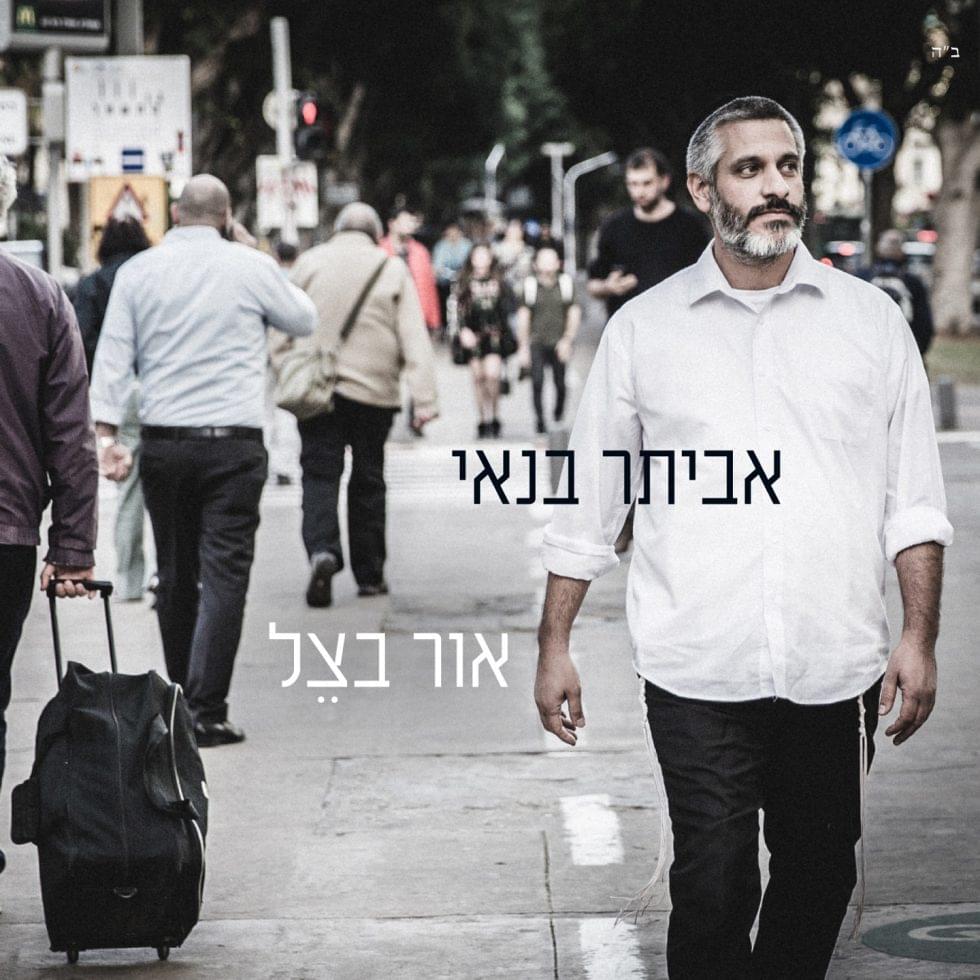
The chorus introduces a striking duality: "Light in shadow, shadow in light." This paradox is mirrored in "bitter sweet, bitter sweet," suggesting that even within apparent clarity or happiness, there's an inherent complexity or sorrow, and vice versa. The narrator seems to resign to this ambiguity, stating, "To leave hands / Not to try to understand." This acceptance of the incomprehensible is a key emotional driver, pushing the narrator further into their singular focus.
Ultimately, the lyrics convey a powerful emotional core through stark contrasts and a recurring, almost mantra-like declaration of exclusive attachment. The "white night" and "thoughts colliding" speak to internal turmoil, yet the resolution isn't found in solving these conflicts, but in the simple, unshakeable presence of the beloved. The craft lies in juxtaposing external chaos with internal certainty, making the final "I have none but you" resonate with a deep, hard-won peace.
 View Artist