Song Meaning
The lyrics paint a vivid picture of a young narrator consumed by a desperate need for validation and a fear of insignificance. The opening verse reveals an intense drive to be the most important, framing humility as a strategic move for future glory. This ambition is so all-encompassing that the narrator envisions a future where they will break through any barrier, becoming "most existing in the world." This relentless pursuit of external recognition feels less like genuine self-assurance and more like a frantic attempt to carve out a space for themselves.
The core tension lies in the stark contrast between this outward-facing ambition and an internal, gnawing sense of unease. The repeated, almost chant-like chorus of "Ganav, Ganav" (Thief, Thief) hangs heavy, suggesting a self-perception of taking or consuming without true belonging or creation. This feeling is amplified in the second verse, where the narrator admits to engaging in the same passive consumption as their peers – "looking at pictures on the computer" – but finds it "feels bad." The aggressive, almost violent verbs used to describe this act – "chewing, trampling, destroying, fornicating, chewing and swallowing" – highlight a destructive impulse born from this internal conflict.
The most striking element is the narrator's self-identification as a "thief." This isn't about material theft, but rather a deeper, existential sense of appropriating or consuming experiences and attention without earning them. The lyrics suggest a profound insecurity, a feeling of being fundamentally empty and thus compelled to steal validation or existence itself. The repeated image of the "red, red world" in the outro, while abstract, evokes a sense of overwhelming intensity or perhaps a warning, further underscoring the volatile emotional landscape the narrator inhabits.
Ultimately, the effectiveness of these lyrics stems from their raw portrayal of a fragile ego desperately trying to assert itself against a backdrop of self-doubt and destructive impulses. The simple, repetitive chorus acts as a constant, unsettling reminder of the narrator's perceived internal state, while the vivid imagery of ambition and aggression reveals the intense internal battle. It's this unflinching look at the desperate measures one might take to feel seen, even if it means feeling like a thief, that makes the narrative so compelling.
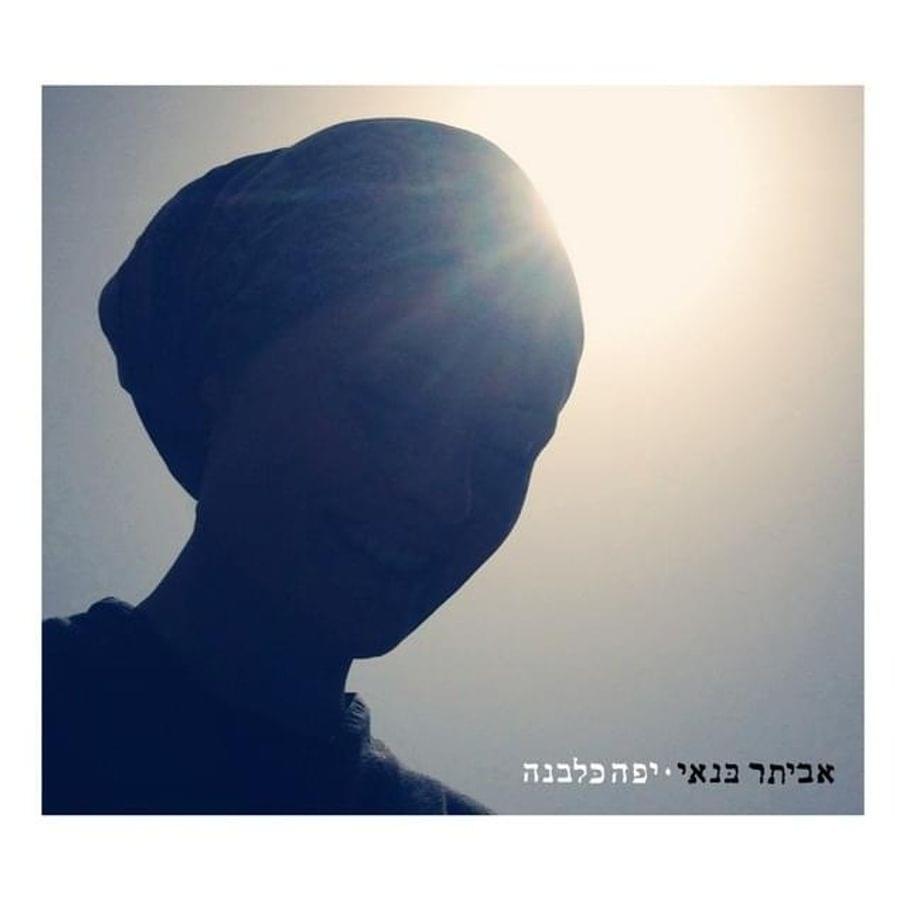
 View Artist