Song Meaning
The lyrics paint a stark picture of a nation emerging from conflict, clinging to ritual as a means of recovery. The opening lines immediately ground us in the aftermath of war, where even a celebratory shofar blast feels like a forced restart. There's a palpable sense of trying to recapture normalcy, to 'start from the beginning' by observing traditional holidays.
The dominant tension lies between the desire for renewal and the haunting presence of loss. The act of observing holidays like fasting, praying, and dancing with flags is presented as a deliberate, almost performative, effort to move forward. Yet, this forward motion is directly contrasted with the 'shards of memory' and the 'forgotten holidays' that lie 'on the side of the road.'
The most striking element is the juxtaposition of celebratory actions with profound grief. The narrator lists communal religious and nationalistic practices – sitting in a sukkah, dancing with flags – but immediately follows this with the image of 'our sons and daughters' who are 'stunned, lying on the side of the road.' This sharp contrast underscores the heavy price of the 'victory' and the deep, unresolved trauma beneath the surface of supposed recovery.
This writing is effective because it doesn't shy away from the dissonance of collective healing. It captures the human impulse to seek comfort in tradition even when faced with unbearable loss. The lyrics suggest that the real 'victory' is not in the fanfare, but in the quiet, painful act of remembering those who were lost amidst the struggle to rebuild.
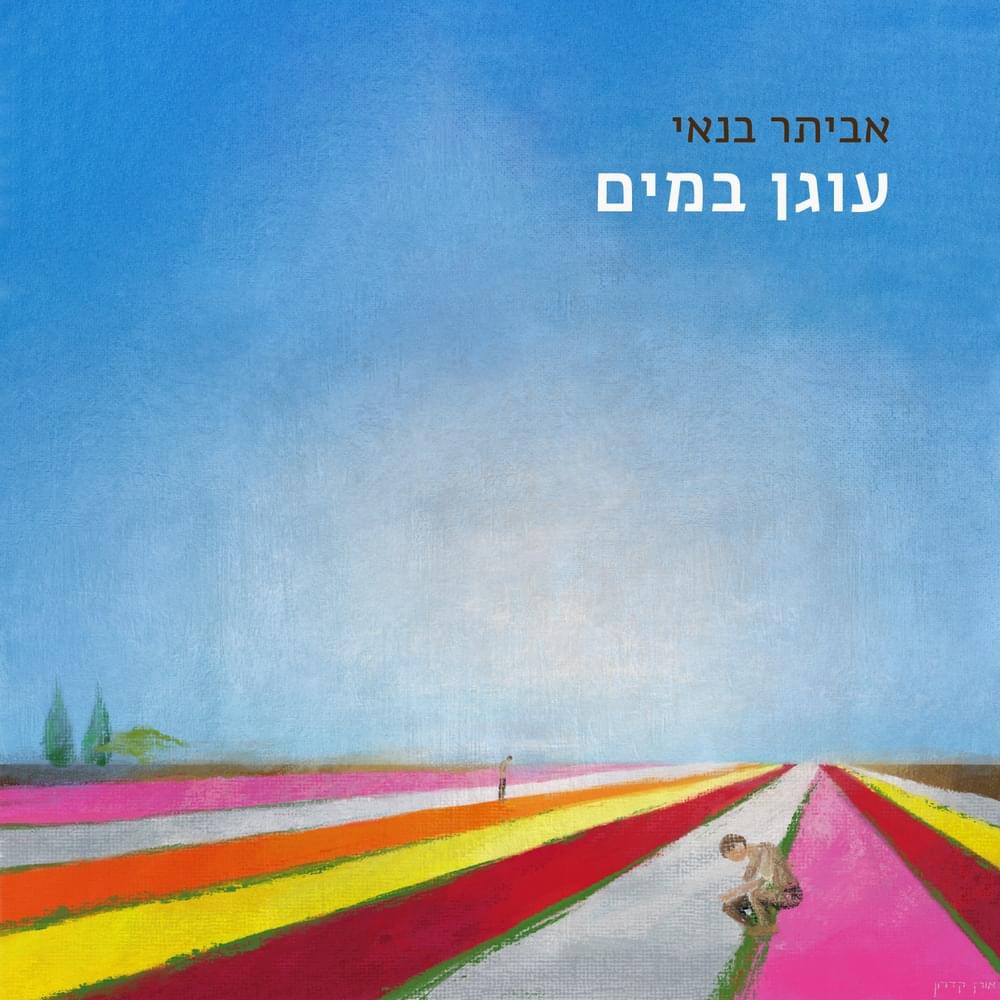
 View Artist