Song Meaning
The lyrics present a defiant stance against imposed beliefs, asserting a radical self-possession. The narrator claims an ability to "breathe through the pen in my throat," suggesting a powerful, almost visceral form of expression that transcends physical limitations. This isn't about passive acceptance; it's about actively shaping one's own reality and refusing to be swayed by external narratives. The narrator seems to embrace a fundamental, unvarnished truth about existence, stating, "we're not profound, we're just meat," which strips away pretense and highlights a raw, biological foundation.
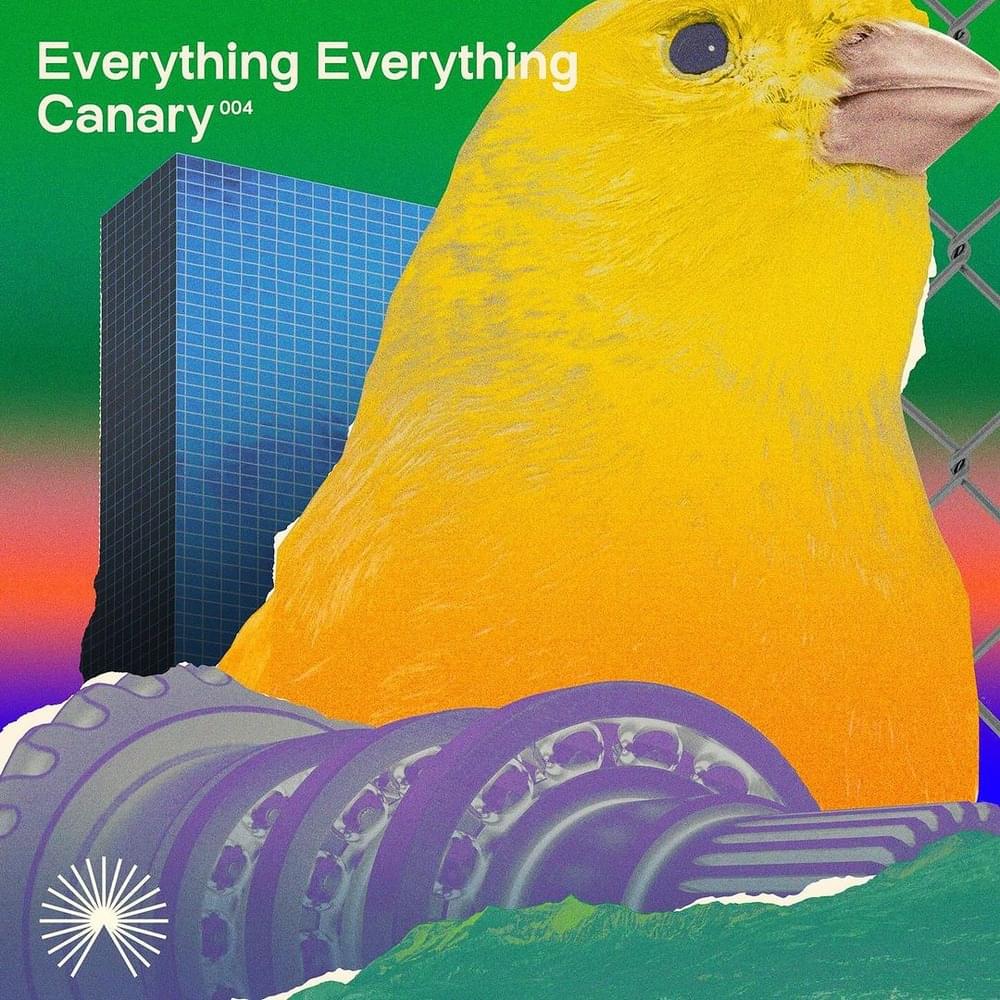
The central tension arises from this assertion of self against a perceived external force or societal expectation. The narrator hears someone else's "scream," implying a recognition of distress or delusion in another, perhaps someone who believes they are communicating with the "modern world" but is, in fact, deeply disconnected. This disconnect is amplified by the recurring image of the "canary under the ground," a stark metaphor for a trapped, silenced, or perhaps even deceased voice, a warning of what happens when one is buried by circumstances or false pretenses.
The writing crafts a compelling image of resilience through the phrase "rifles for my arms and legs." This isn't literal armament but suggests a fierce, almost weaponized readiness to defend one's autonomy, even when facing existential threats like the "drumming of the Hell-Kite priest." The narrator has "laid in bed enough time," indicating a period of dormancy or suffering that has now given way to a proactive, combative posture. The repetition of "canary, canary, canary" hammers home the sense of being buried or lost, a fate the narrator is actively fighting against.
Ultimately, the effectiveness of these lyrics lies in their unflinching confrontation with perceived reality and their embrace of a brutal, honest self. The narrator’s transformation from passive observer to active defender, armed with a profound self-awareness, creates a powerful emotional arc. The contrast between the vulnerability of being "just meat" and the fierce resolve to "brutalise" the illusion makes the narrator's position feel earned and deeply resonant.
 View Artist