Song Meaning
The lyrics paint a stark picture of someone grappling with past transgressions and an internal struggle for control. The opening lines, "A trust betrayed a rusty blade," immediately establish a sense of deep hurt and potential danger, suggesting a significant wrong has been committed. The narrator walks a precarious path, "paid my fine" and acknowledging a dangerous "ledge," hinting at consequences and a desperate hope for self-awareness.
The central tension lies in the battle between good and evil within the narrator, explicitly stated as "The angel and the jinn and the beast within, the fight to take control." This internal conflict fuels the repeated plea for divine intervention, "Lord, have mercy on my soul," underscoring a profound sense of guilt and a desperate need for redemption. The narrator feels overwhelmed by their own nature and the weight of their actions.
The song's power comes from its raw, almost desperate comparisons for need and love. The narrator equates their need for the divine to a "junkie needs his drugs" and a "baby boy needs his hugs," highlighting an all-consuming, primal dependency. Similarly, the love expressed is framed by intense, almost instinctual connections, like an "Eskimo love the cold" or a "miner man love his gold." These vivid, visceral images amplify the depth of the narrator's yearning for salvation and connection.
Ultimately, these lyrics resonate because they articulate a universal human experience: the struggle with one's darker impulses and the search for grace. The direct, unvarnished language and the relentless repetition of the chorus create a powerful sense of urgency and vulnerability. The narrator's raw honesty about their internal "fight to take control" makes the plea for mercy feel earned and deeply felt.
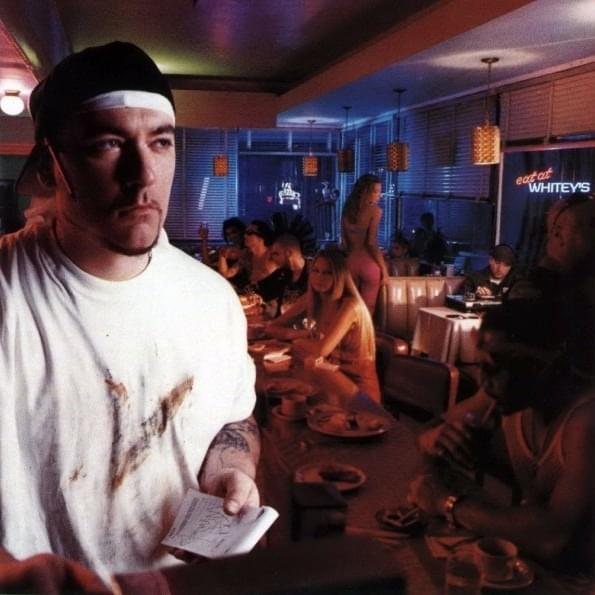
 View Artist