Song Meaning
The lyrics paint a stark picture of a life lived in scarcity, where even the remnants of daily existence feel like the sum total of one's achievements. The dresser drawers overflowing with pocket change and cigarette butts, alongside meticulously cut coupons, suggest a constant, grinding effort to make ends meet. The rhetorical question, "Is this what dreams are made of!" lands with a heavy dose of disillusionment, implying that the aspirations of youth have long since been eroded by the mundane realities of financial struggle. The phrase "sucking the rind" powerfully captures this sense of extracting the last possible bit of value from a life that offers little else.
The central tension emerges from the contrast between this impoverished present and the grimly ironic anticipation of a final, paid-for resting place. The narrator has apparently secured a "deluxe cemetery plot," a morbidly humorous achievement that highlights the absurdity of planning for such a luxury when basic needs are unmet. The line "Final payment made - had you forgot?" carries a bitter, almost defiant tone, as if this one concrete accomplishment, however macabre, is the only tangible legacy. The description of the plot as "Paisley satin lined how apprapoe" further emphasizes this dark, almost theatrical finality.
The repeated refrain, "Dying degree, graying amie," acts as a somber anchor, possibly referring to a state of decline or a specific, perhaps fatal, condition. This phrase, coupled with the imagery of poverty, suggests a life that has been slowly fading away, marked by a lack of vitality and comfort. The later lines about "No more eating crumbs" and children no longer wanting "mush" hint at a future where the narrator's absence might, paradoxically, alleviate some of the current hardship for their family, framing death as a form of release or even a final, albeit bleak, provision.
Ultimately, the effectiveness of these lyrics lies in their unflinching portrayal of a life defined by its limitations and the dark humor that arises from facing an inevitable, expensive end. The specific, almost mundane details of frugality – pocket change, coupons, cigarette butts – make the narrator's plight feel acutely real, while the ironic celebration of a cemetery plot transforms a tragic situation into a darkly comedic commentary on mortality and the pursuit of security, however posthumous.
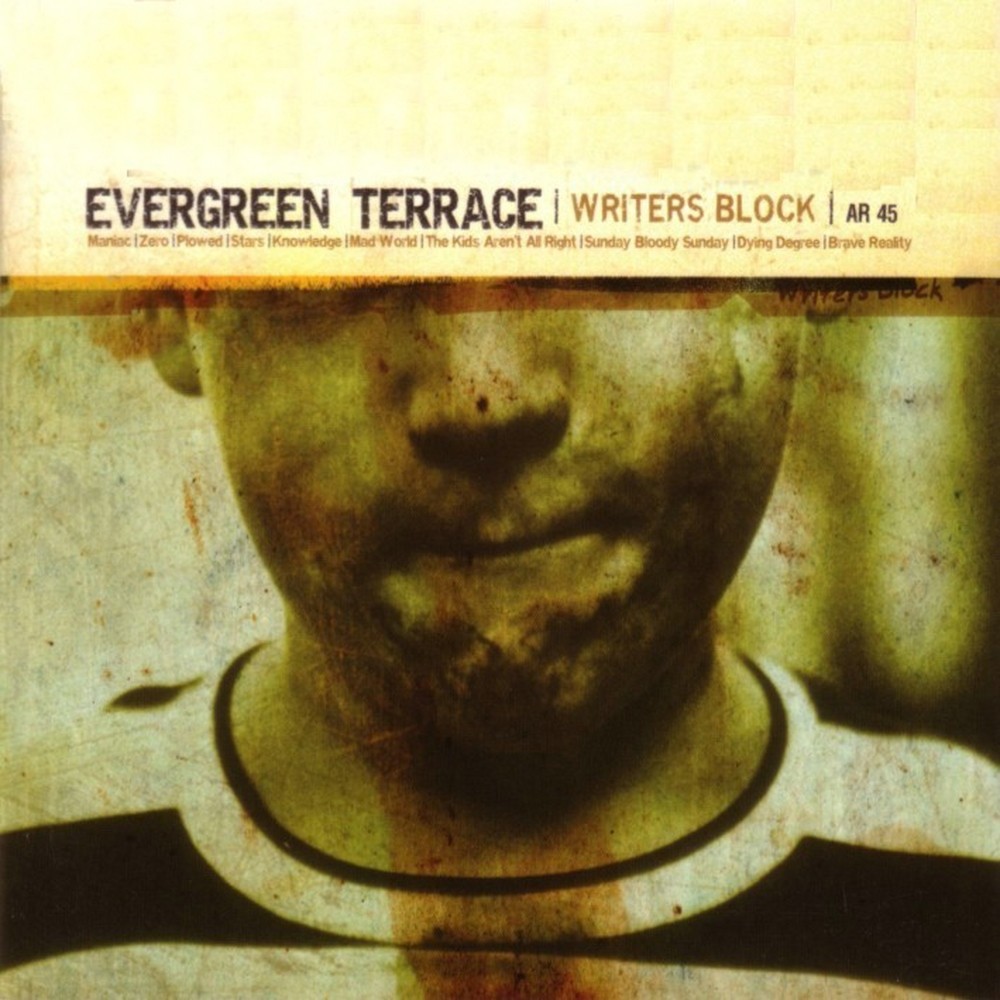
 View Artist