Song Meaning
The lyrics paint a stark picture of a supposed "liberator" arriving on a warm May day, yet he himself feels cold, his hands chilled. This figure, described as carrying "death in his hand," is presented as a "child of ideas." The world, in typical fashion, remains indifferent to his presence. He encounters a woman sitting in the shade, embodying beauty, goodness, and hope. This encounter sets up a central tension: the liberator prepares his weapon, but the woman, representing these ideals, turns to him and declares, "I am not your enemy." She urges him to "turn around," appealing to his sense of warmth and connection, suggesting that the true adversary is not her, but "mankind at a distance."
The core conflict emerges from the clash between the liberator's destructive intent and the woman's embodiment of peace and inherent worth. Her plea, "feel my warmth," directly contrasts with his coldness and the "death" he carries. The lyrics suggest that his "liberation" is misguided, aimed at an innocent representation of good, rather than the abstract "mankind at a distance" that seems to foster division and blindness. The repeated "turn around" acts as a desperate plea for a change in perspective, a rejection of his chosen path.
The most striking craft element is the juxtaposition of "beauty, goodness, and hope" within a single human figure, directly confronted by a figure of "death." The narrator's observation that "mankind at a distance" makes us "close our eyes" is a powerful indictment of societal apathy or perhaps the dehumanization that allows conflict to fester. The final lines, "But beauty fades, and goodness dies / When mankind at a distance / Makes us close our eyes," underscore the fragility of these virtues when faced with abstract, impersonal forces that obscure empathy.
These lyrics resonate because they capture a profound disillusionment with the nature of conflict and liberation. The "liberator" is not a clear villain but a misguided force, and the "enemy" is not a person but an abstract condition. The woman's plea for connection and her assertion of inherent goodness highlight the tragic loss that occurs when such ideals are overshadowed by distant, impersonal forces that lead to blindness and destruction. The cyclical nature of "the world was right, and the world was wrong" as the liberator departs, leaving behind an unchangeable reality, leaves the listener with a sense of somber reflection on the enduring struggle between destructive ideologies and the persistent, yet vulnerable, forces of good.
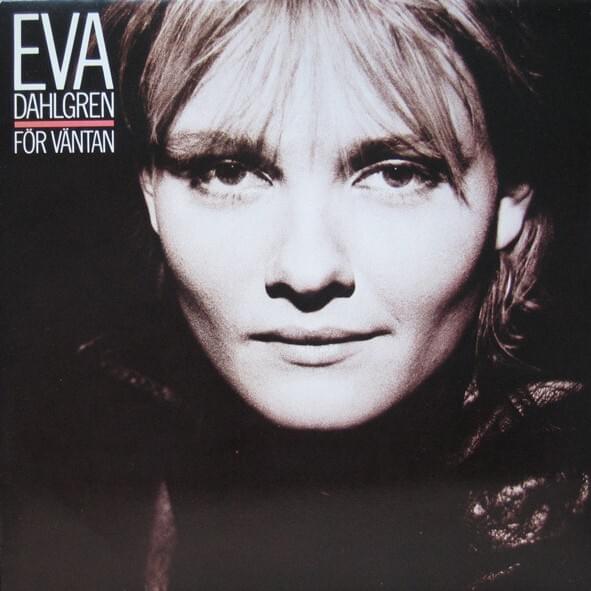
 View Artist