Song Meaning
The lyrics paint a vivid picture of an encounter with a captivating, enigmatic figure. The narrator is initially "petrified" by this "creature in human disguise," who possesses an almost otherworldly radiance, shining "like a silvermoon." This being is presented as a paradox, both "man and woman," yet appearing "a bit dull" in their attire, suggesting a deeper essence beyond superficial presentation. The narrator, identifying as "an oldfashioned girl," is drawn to the strength in his hands, calling him "Mr." This initial fascination quickly escalates when the figure reveals handcuffs, an act that deeply affects the narrator, nearly "killing" her with its intensity. His subsequent plea, "Release me," coupled with a promise to "open up your eyes," creates a moment of profound decision.
The core tension arises from the narrator's immediate, almost desperate need for this figure, driven by a deep-seated self-destructiveness. She confesses, "I want you because I'm too selfdestructive" and "I need you because I want to feel I'm someone." This suggests a profound emptiness or lack of self-worth that she believes this mysterious "Mr. Honesty" can fill. The desire isn't just for connection, but for validation and a sense of identity, highlighting a vulnerability that makes the encounter so potent.
The most striking craft element is the juxtaposition of the figure's initial allure and the sudden, shocking reveal of the handcuffs, which the narrator interprets as a profound, almost fatal, moment. This leads to the crushing realization articulated in the final lines: "we've handcuffed reality / So there's no dream / No dream left unbound." The narrator's perception shifts from a desire for liberation through this figure to the understanding that their shared reality, or perhaps her own internal state, has become rigidly confined. The "handcuffs" become a metaphor for a self-imposed or mutually created limitation that stifles possibility.
This piece resonates because it captures a specific, intense emotional arc: from awe and fear to desperate need and finally, a bleak understanding of confinement. The narrator's raw confession of self-destructiveness and her yearning to "feel I'm someone" are powerfully direct. The narrative's turn, where the promise of release leads to a feeling of being further bound, is a poignant and unexpected twist that underscores the complex, often paradoxical nature of seeking salvation or identity in another person.
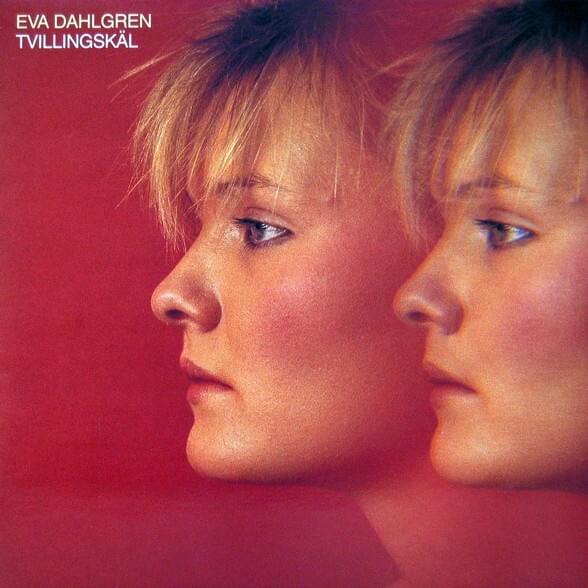
 View Artist