Song Meaning
The lyrics present a raw plea for forgiveness, directed at someone who embodies love and capability. The narrator contrasts their past self with this idealized figure, describing a profound internal emptiness and a self-imposed isolation. Phrases like "tung av tomhet" (heavy with emptiness) and the imagery of a "vallgrav och mur" (moat and wall) against closeness paint a picture of someone actively pushing love away, creating a barrier around their emotional core.
This internal state is further detailed through metaphors of fragility. The narrator compares themselves to "tyll mot stormen" (tulle against the storm), highlighting an extreme vulnerability that feels almost paper-thin. This delicate exterior, however, conceals a soul that is "dimtunn" (dimly thin) and "trängd mot min yta" (pressed against my surface), suggesting a spirit that is both insubstantial and confined, unable to fully manifest or connect.
The core tension lies in the narrator's self-perception as utterly lacking and passive. They recall a time of being "svag så vek" (weak so frail) and having a "fegt böjd var ryggen" (cowardly bent was the back), a posture of defeat. This leads to a surrender to life, a statement of "jag var intet" (I was nothing), implying a complete abdication of agency and self-worth before this loving, capable 'you'.
The repeated refrain, "Du som älskar / Du som kan / Du som kan älska / Förlåt mig / Förlåt," acts as an anchor, constantly returning to the object of their plea. This repetition emphasizes the narrator's perceived deficiency against the other's perceived abundance of love and ability. The effectiveness stems from this stark, almost desperate contrast, where the narrator's self-flagellation is laid bare against an almost divine image of the beloved, making the request for forgiveness feel both deeply personal and universally resonant in its expression of regret.
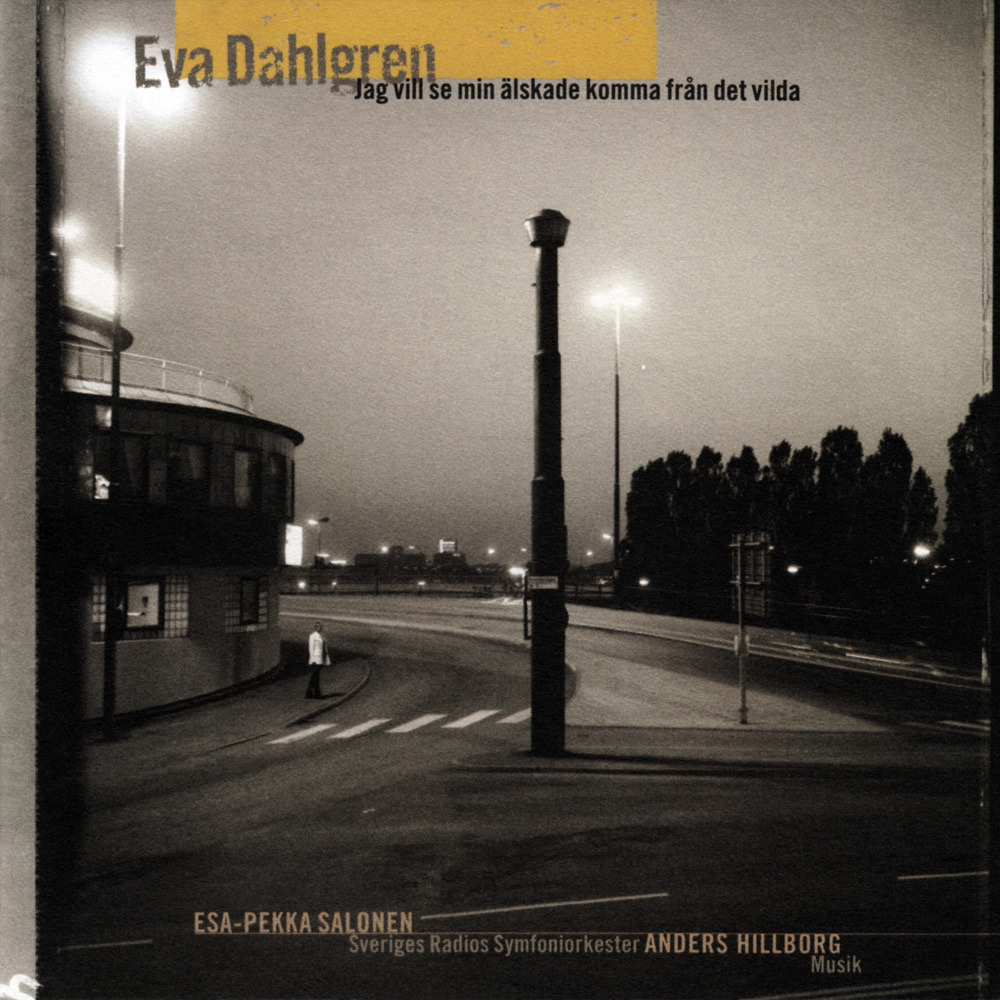
 View Artist