Song Meaning
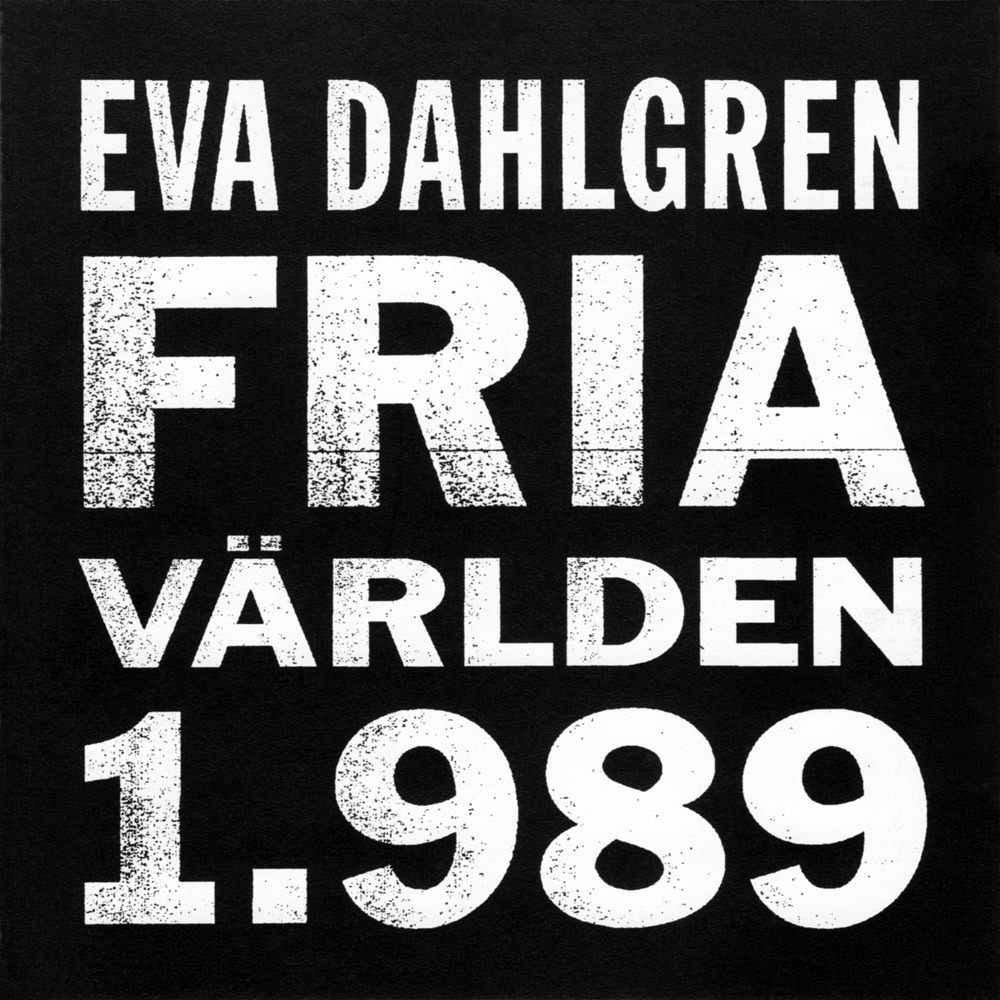
The lyrics paint a raw portrait of grief and guilt after a profound loss. The opening plea, "Låt mej vara / Låt mej gråta," sets a tone of desperate, all-consuming sorrow. The narrator wants to fully immerse in their pain, wishing to cry until "haven har sinat" (the oceans have dried up) and their heart becomes "en urkramad svamp" (a wrung-out sponge). This visceral imagery emphasizes the desire for complete emotional release, even if it means embracing darkness and dancing "med djävlarna" (with the devils) to make the night "alltid, för alltid" (always, forever).
The central, agonizing question driving the song is the repeated refrain, "Dom tog dej / Varför inte mej" (They took you / Why not me?). This stark, simple question reveals a deep-seated guilt and a sense of injustice. The narrator feels survivor's guilt, questioning why they were spared when the other person was taken. This feeling festers, as the lyrics suggest "Ilskan i kroppen / Har parat sej med sorgen" (The anger in the body / Has mated with the sorrow), birthing a monstrous combination that holds the narrator captive and forces them to swallow "skuld" (guilt).
The most striking aspect of the writing is the way the narrator confronts the divine and the natural world. The repetition of "Alltid när solen" (Always when the sun) is immediately undercut by the shadow it casts, linking the very source of light to the narrator's own descent towards "mitt slut" (my end). In a moment of profound defiance, the narrator "skrattar åt gudarna" (laughs at the gods), seeing them as ignorant and uncaring. Later, the moon's light is described as creating a "gata i havet / Skiljer svart ifrån svart" (path in the ocean / Separating black from black), a powerful image of an almost indistinguishable void, suggesting the narrator feels they must walk into that darkness where their "hjärta / Och det ska jag hålla / Vatten på" (heart / And I will keep / Water on) – a complex, perhaps self-destructive, act of tending to a burning heart in the abyss.
This song's power lies in its unflinching portrayal of grief's darkest corners. The direct, almost childlike repetition of the central question, coupled with the extreme, almost apocalyptic imagery of nature and the self, creates an overwhelming sense of despair and existential crisis. The narrator isn't seeking solace but rather a complete surrender to their pain and guilt, making the listener confront the raw, unvarnished reality of profound loss and the questions it forces upon the living.
 View Artist