Song Meaning
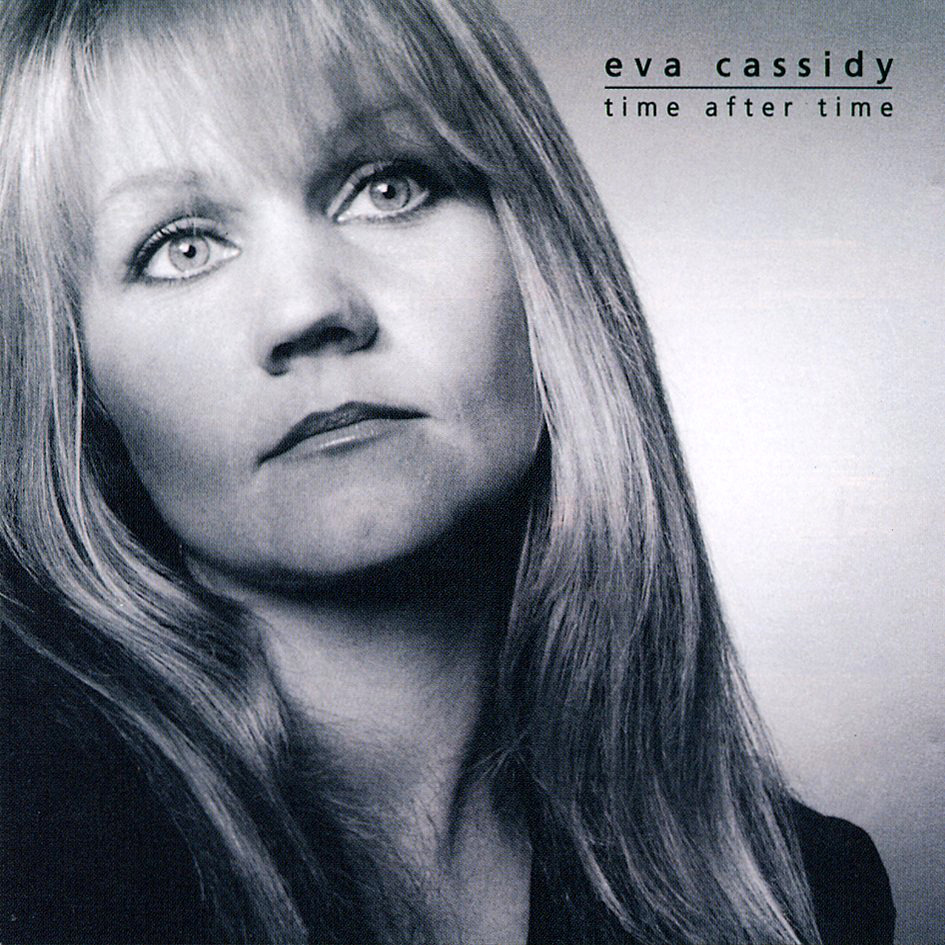
Eva Cassidy's rendition of "At Last" transcends a simple love song; it’s an anthem of hope finally realized. The lyrics paint a portrait of emotional drought ending in a sudden, almost overwhelming abundance. The opening lines, "At last, my love has come along, my lonely days are over," aren’t just about finding a partner; they speak to the alleviation of a deep-seated solitude, a yearning that has perhaps defined the singer’s existence until this pivotal moment. The immediate shift from "lonely days" to a life that's "like a song" underscores the transformative power of love, not as a mere addition, but as a fundamental re-tuning of one's entire being.
Beyond romantic fulfillment, "At Last" explores themes of self-discovery and the validation found in reciprocal affection. Cassidy sings, "I found a dream that I could speak to, a dream that I can call my own," suggesting that this newfound love isn't just about external connection, but about unlocking an internal potential. The lyrics hint at a previously dormant part of herself, now awakened and given voice through the relationship. This dream, now tangible, offers a sense of ownership and purpose that was previously absent. The "thrill to press my cheek to" isn't merely physical; it represents the joy of vulnerability, of finally finding someone with whom one can be authentically and unreservedly intimate.
The final verse solidifies this journey from longing to belonging. The simple act of a smile becomes a catalyst, casting a "spell" that elevates the relationship to a state of "heaven." The repetition of "For you are mine at last" isn't possessive in a negative sense; it's a declaration of profound relief and gratitude. It's the culmination of a long wait, a testament to the enduring power of hope, and a celebration of finding solace and completion in another person. Eva Cassidy’s interpretation gives the song a layer of raw, exposed emotion, transforming a classic into a deeply personal statement about the transformative power of love's arrival.
 View Artist