Song Meaning
The lyrics paint a chilling picture of paranoia and isolation, with "wolves at your door" serving as a constant, menacing presence. These aren't literal animals, but rather a pervasive threat that casts "long dark shadows," suggesting an encroaching danger that feels both external and deeply internal. The repetition of the phrase amplifies this sense of inescapable dread, hinting that the danger is always near, always watching.
The central tension lies in the burden of knowledge and the resulting distrust. The narrator states, "I can't trust nobody or maybe no one can trust me," a line that captures a profound sense of alienation. This isolation is directly linked to "knowing things," implying that awareness brings not clarity, but fear and suspicion. The fear "runs deep," and the truth, far from being liberating, becomes a source of further entrapment, as "the truth won't set you free."
The most striking aspect is the cyclical nature of the perceived threat. Initially, the "wolves" are external, "making monsters of them all." However, this perspective shifts inward, with the narrator acknowledging, "Seeing monsters in us all." This suggests that the external threat has corrupted the narrator's perception, leading them to see danger and malice in everyone, including themselves. The inability to "face nobody or maybe no one can face me" underscores this self-imposed exile.
Ultimately, these lyrics resonate because they articulate the suffocating feeling of being overwhelmed by a world that feels hostile and untrustworthy. The craft lies in its stark imagery and the relentless, almost claustrophobic repetition, which mirrors the narrator's spiraling anxiety. The transformation of external threats into internal demons makes the fear feel all the more potent and inescapable.
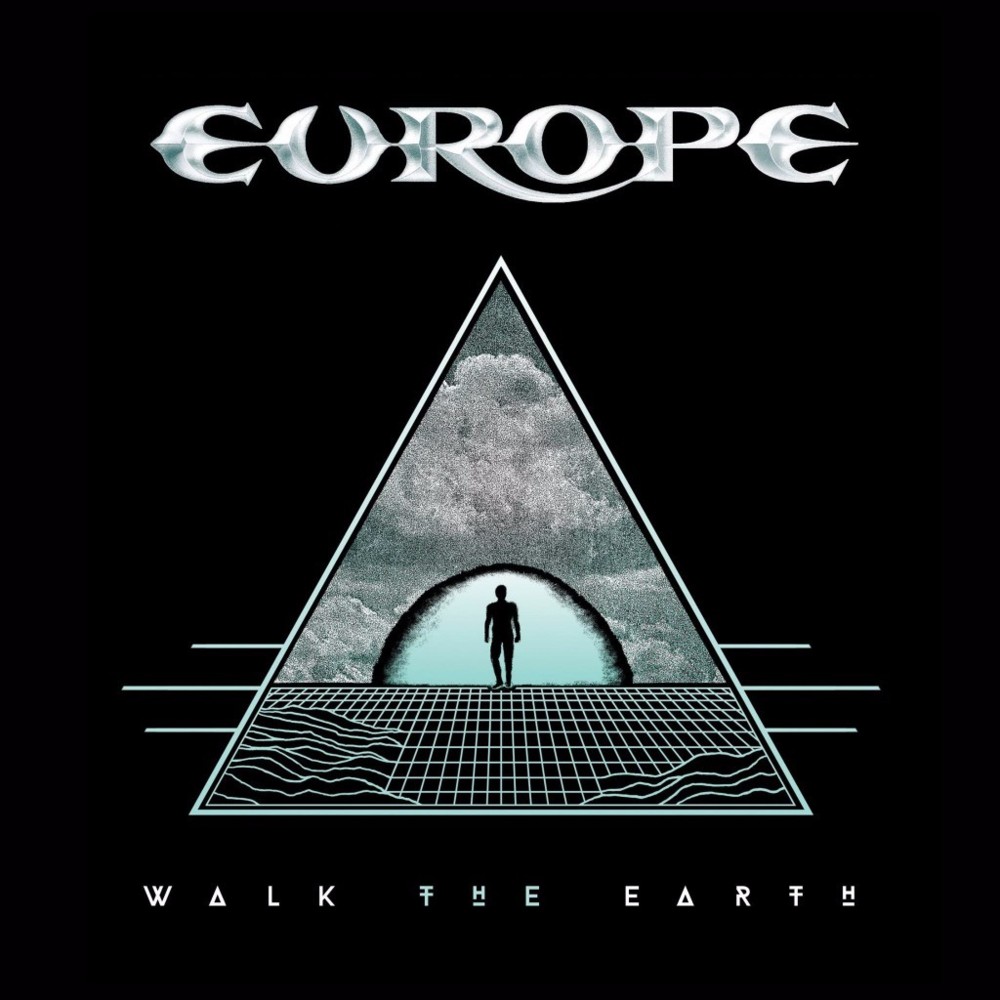
 View Artist