Song Meaning
The lyrics paint a picture of someone left behind, grappling with a sudden departure. The opening lines, with the moon asleep and the beloved rushing off without a word, establish a tone of bewildered abandonment. The narrator is left alone in the quiet night, questioning the haste and the silence of this departure. It's a scene steeped in the immediate aftermath of loss, where the world feels frozen yet the other person is already gone.
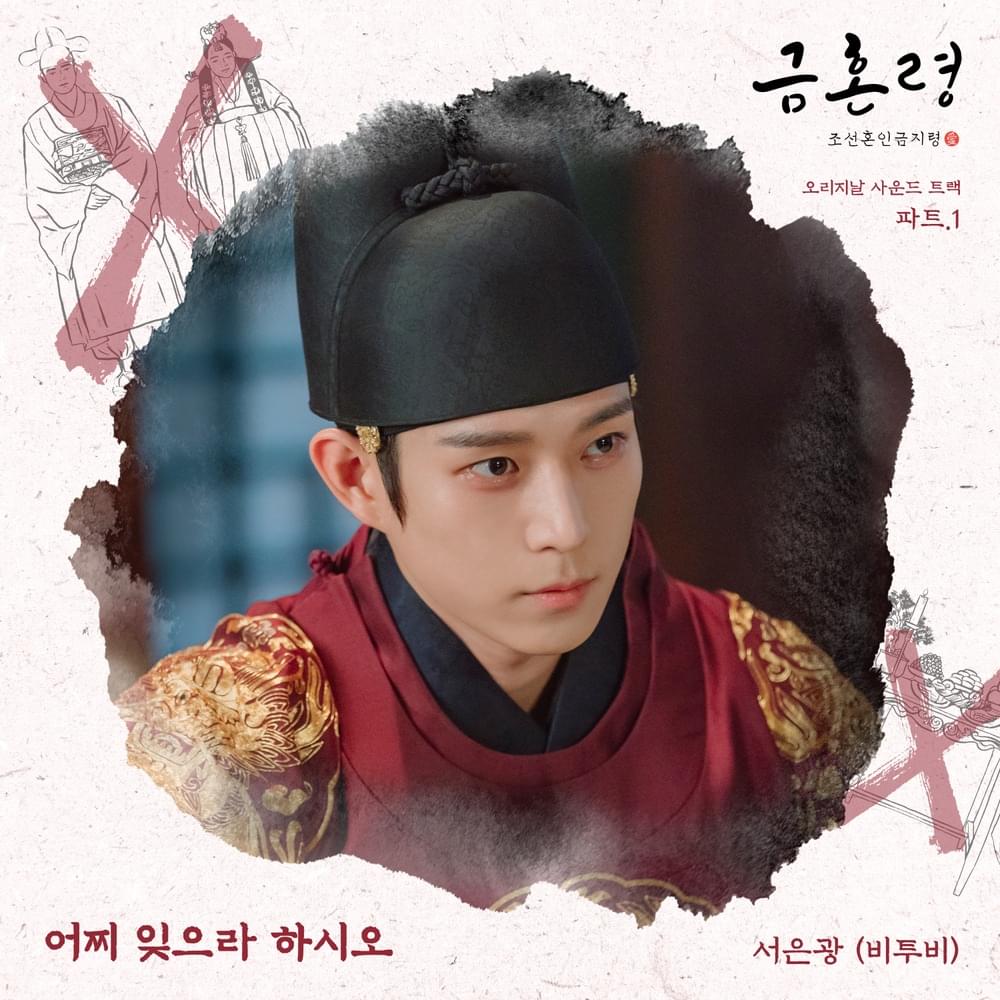
The central tension lies in the narrator's inability to let go, directly confronting the impossibility of forgetting. The repeated question, "어찌 잊으라 하시오" (How can I forget you?), isn't just rhetorical; it's a desperate plea against the very idea of moving on. This is amplified by the haunting presence of the departed in dreams, which only serves to deepen the pain and make the command to forget feel cruel and unfeasible. The narrator feels responsible, taking blame for the separation with phrases like "all my fault" and "all my share."
The song's power comes from its stark, almost childlike directness in expressing grief. The imagery is simple yet potent: a lover leaving in the night, petals falling, cold winds blowing, and the relentless torment of dreams. The bridge, "My love, the path you take, I want to go with you too," reveals a profound yearning to follow, even as the lyrics acknowledge the insurmountable distance. This desire to bridge the gap, to walk the same path, underscores the depth of their connection and the agony of separation.
Ultimately, the effectiveness of these lyrics stems from their raw emotional honesty. The narrator isn't offering complex metaphors or philosophical musings; they are simply stating their pain and their desperate wish for the return of their loved one. The repeated pleas to be held again and to come back are a testament to a love that refuses to fade, making the command to forget feel like an impossible burden. The writing captures the visceral ache of a love that remains, even when the person is gone.
 View Artist