Song Meaning
Etta Jones's rendition of "Till There Was You" isn't just a love song; it's a stark acknowledgement of perceptual awakening. The lyrics portray a protagonist previously existing in a muted world, blind and deaf to the beauty and joy surrounding them. It's not that the world *lacked* these elements – bells, birds, roses, love – but rather, the narrator's internal state rendered them imperceptible. This speaks to a common human experience: the way our emotional landscape shapes our reality. Depression, apathy, or simply a lack of connection can filter out the vibrancy of life, leaving us numb to its potential. The "you" in the song becomes a catalyst, a key that unlocks the narrator’s senses.
The brilliance of "Till There Was You" lies in its simplicity. Jones doesn't detail the nature of the transformative relationship; she focuses instead on the profound shift in perception. The "bells on a hill" and "birds in the sky" are potent symbols of everyday beauty, easily overlooked when one is emotionally disconnected. The mention of "music" and "wonderful roses" in "sweet fragrant meadows" elevates this awakening beyond the purely romantic. It suggests a broader embrace of life's sensory pleasures and emotional depths. The song’s meaning ultimately rests on the idea that love, in its many forms, has the power to bring us into sharper focus, allowing us to truly *see* and *hear* the world around us.
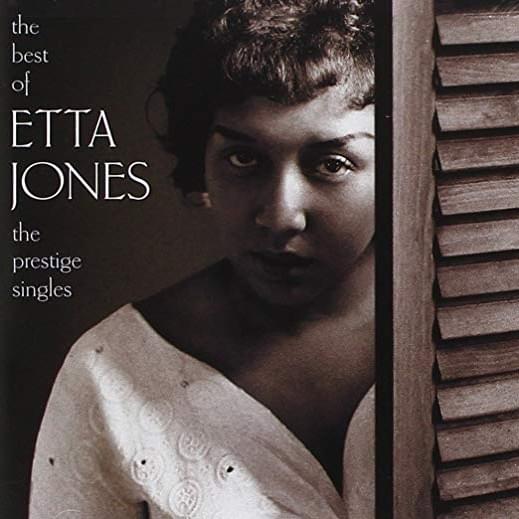
The repetition of "No, I never heard them at all / Till there was you" underscores the before-and-after nature of this transformation. It's a powerful statement about the potential for human connection to reshape our experience. Etta Jones’ interpretation, imbued with her signature smoky vocals, adds a layer of lived experience to the lyrics. This isn't just a declaration of love; it's a testament to the revitalizing force of human connection, the ability of another person to awaken us from a state of emotional slumber. The song becomes an anthem for anyone who has ever felt lost in the grey, only to be pulled back into the light by the presence of another.
 View Artist