Song Meaning
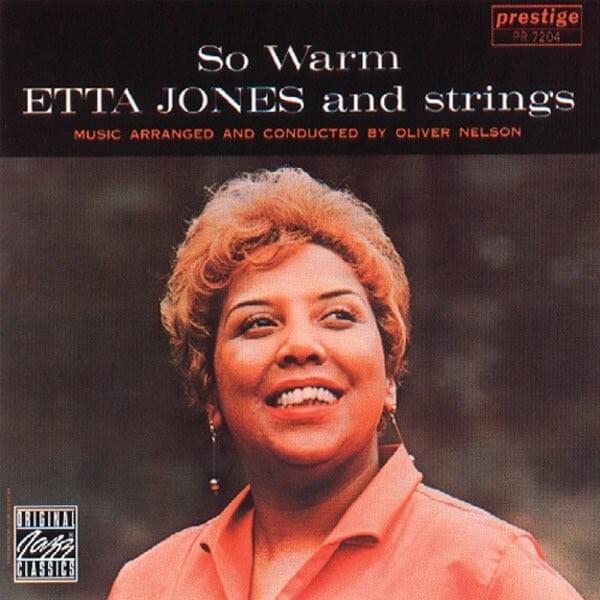
Etta Jones's rendition of "I'm Through With Love" isn't just a lament; it's a scorched-earth declaration of independence after a devastating heartbreak. The lyrics paint a picture of someone not merely saddened, but fundamentally altered by love's failure. It's the kind of pain that doesn't just sting; it redefines the landscape of the heart, leaving it barren and fortified against future incursions. The opening lines, stark and resolute – "I'm through with love / I'll never fall again" – establish this defensive posture immediately. It's not a fleeting moment of despair, but a conscious decision to dismantle the capacity for vulnerability.
The song's meaning deepens as the speaker describes locking away their heart, stocking it with an "icy Frigidaire." This isn't just about guarding against future pain; it's about actively suppressing the natural warmth and openness that makes love possible. The lyrics hint at a past relationship where the speaker felt misled, used, perhaps even manipulated. The lines "Why did you lead me / To think you could care? / You didn't need me" suggest a profound sense of betrayal, a realization that the affection they believed was reciprocated was, in reality, a performance. The mention of "slaves around you / To hound you and swear / With deep emotion, devotion to you" alludes to a dynamic where the speaker was just one of many vying for attention, their individual worth diminished in the face of the other person's perceived power.
The final verses drive home the totality of the loss. "Goodbye to spring / And all it meant to me / It can never bring / The thing that used to be" speaks to the death of hope and the irreversible damage inflicted on the speaker's outlook. Spring, traditionally a symbol of renewal and new beginnings, is now tainted, incapable of restoring the joy and innocence that love once represented. The repeated assertion, "For I must have you or no one / And so I'm through with love," underscores the uncompromising nature of this decision. It's a refusal to settle for anything less than complete, unwavering devotion, and a recognition that such a connection may be unattainable. The song becomes a testament to the enduring power of heartbreak to reshape our understanding of love, loss, and the very possibility of future happiness. Etta Jones delivers not just a song, but a psychological portrait of disillusionment.
 View Artist