Song Meaning
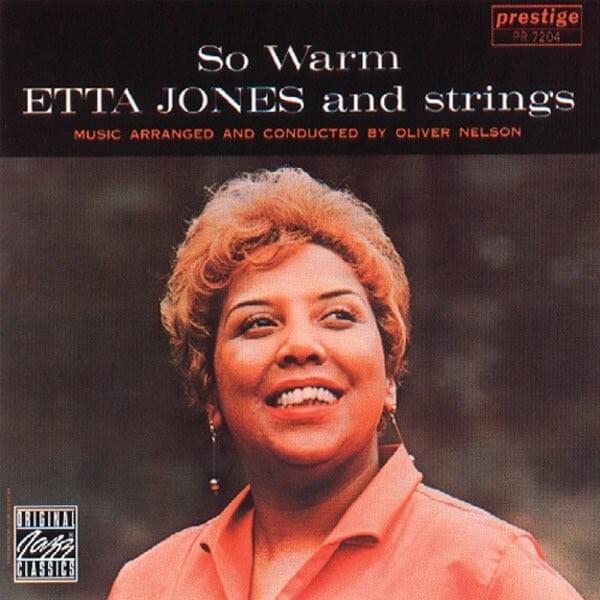
Etta Jones's rendition of "I Laughed At Love" is a masterclass in regret, a stark portrayal of emotional hubris crashing headfirst into hard-won wisdom. The song meaning hinges on the painful irony of dismissing love as something to be mocked, only to be consumed by its absence. Jones doesn't just sing the lyrics; she inhabits the character of someone who once thought themselves immune to the pangs of heartbreak, delivering each line with the weary weight of experience. The opening confession, "I laughed at love, I wasn't smart / I am through with love, I told my heart," immediately establishes a past self brimming with misplaced confidence. It’s a defense mechanism built on naivete, a shield wielded against vulnerability. But the shield crumbles under the relentless assault of memory.
The core of the song's power lies in its stark contrast between past bravado and present suffering. The repetition of "When people mentioned our affair / I used to laugh and say I didn't care" underscores the protagonist's former detachment. But this facade has clearly shattered. Now, “there’s not a day goes by / That I don’t think of you and cry.” Time, the great revealer, has exposed the hollowness of that earlier indifference. The tears aren't just a sign of sadness; they're an acknowledgment of profound misjudgment. The laughter, once a weapon, now echoes as a mocking reminder of her own folly.
Ultimately, "I Laughed At Love" is a cautionary tale about the dangers of emotional arrogance. The lyrics analysis reveals a journey from flippant dismissal to profound understanding. The final lines, “I laughed at love, I was too blind to see / That love was laughing at me,” deliver the crushing blow. It's a realization that love isn't something to be conquered or controlled, but rather a force to be respected. And for those who dare to mock it, love has a way of turning the joke back on them, leaving them to grapple with the consequences of their own shortsightedness.
 View Artist