Song Meaning
Etta Jones’s rendition of "Hi-Lili, Hi-Lo" isn't just a song; it's a masterclass in emotional ambivalence, a tightrope walk between sorrow and the stubborn, almost defiant, hope that flickers even in the darkest corners of the heart. The deceptively simple melody, married to lyrics that repeat the mantra "A song of love is a sad song," immediately establishes a melancholic mood. But it's the juxtaposition with the refrain "Hi-lili, hi-lili, hi-lo" that creates the song's true tension. This seemingly lighthearted phrase, repeated like a child's rhyme, becomes increasingly ironic, a mask for the pain that lies beneath.
The core of the song meaning resides in the acceptance of love's inherent pain. The speaker isn't wallowing; instead, there’s a weary wisdom in the lines "For I have loved and it's so." It's a statement of fact, not a cry for pity. The image of sitting at the window, watching the rain, is a classic trope of loneliness, but here it feels less dramatic, more like a quiet observation. This isn't a histrionic performance of heartbreak; it's the subdued acknowledgement of love's bittersweet nature, the understanding that joy and sorrow are often two sides of the same coin.
Perhaps the most intriguing aspect of Etta Jones's interpretation of "Hi-Lili, Hi-Lo" lies in the final lines: "Tomorrow I'll probably love again." This isn't naive optimism; it's a recognition of the cyclical nature of love and loss. There's a sense that the speaker knows the pain will likely return, but the possibility of love, even with its inevitable sadness, is still worth embracing. It's a testament to the resilience of the human spirit, a refusal to be defeated by heartbreak. The repetition of "Hi-lili, hi-lili, hi-lo" at the song's close reinforces this idea, transforming the phrase from a lament into a quiet declaration of hope, a bittersweet lullaby for the perpetually lovelorn.
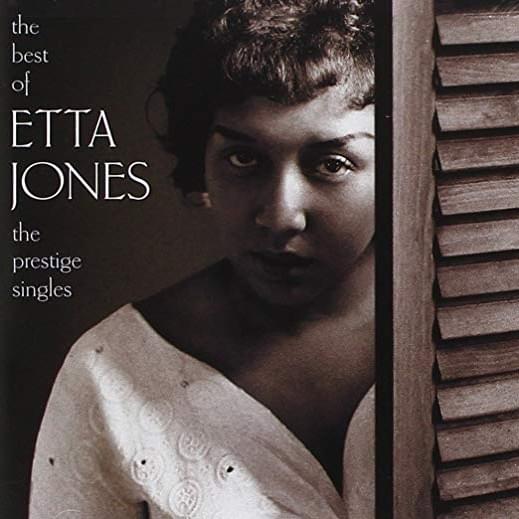
 View Artist