Song Meaning
The lyrics paint a stark picture of isolation despite outward appearances. The narrator acknowledges the transient nature of life's experiences, stating, "The good, the bad, the hurt / All of this goes too." This sets a tone of weary resignation, hinting that even positive moments are fleeting, and the negative ones are simply endured.
The central tension arises from a profound lack of external validation or emotional support. The repeated, almost desperate plea, "And I wish someone would care," underscores a deep-seated loneliness. This yearning is amplified by the observation that "Some folks think you're happy / When you wear your smile," suggesting a disconnect between the narrator's internal state and how they are perceived by others. The contrast between a forced smile and hidden "tribulations" highlights the burden of maintaining a facade.
The most striking element is the relentless repetition of the phrase "How I wish." This isn't just a simple desire; it's an insistent, almost obsessive focus on a need that feels unmet. The inclusion of "Time, time waits for no one" adds a layer of existential urgency, implying that this longing for care is a constant companion that time does not alleviate. The cyclical nature of the opening and closing lines, "The good, the bad, the hurt / All of this goes too," reinforces the feeling that these emotional states are a continuous, unaddressed cycle.
Ultimately, the effectiveness of these lyrics lies in their raw, unvarnished expression of emotional neglect. The simple, direct language and the overwhelming focus on the singular wish create a powerful sense of vulnerability. It’s the quiet desperation of someone who feels unseen, whose struggles are masked by a smile, and who finds solace only in the hope that someday, someone might notice and care.
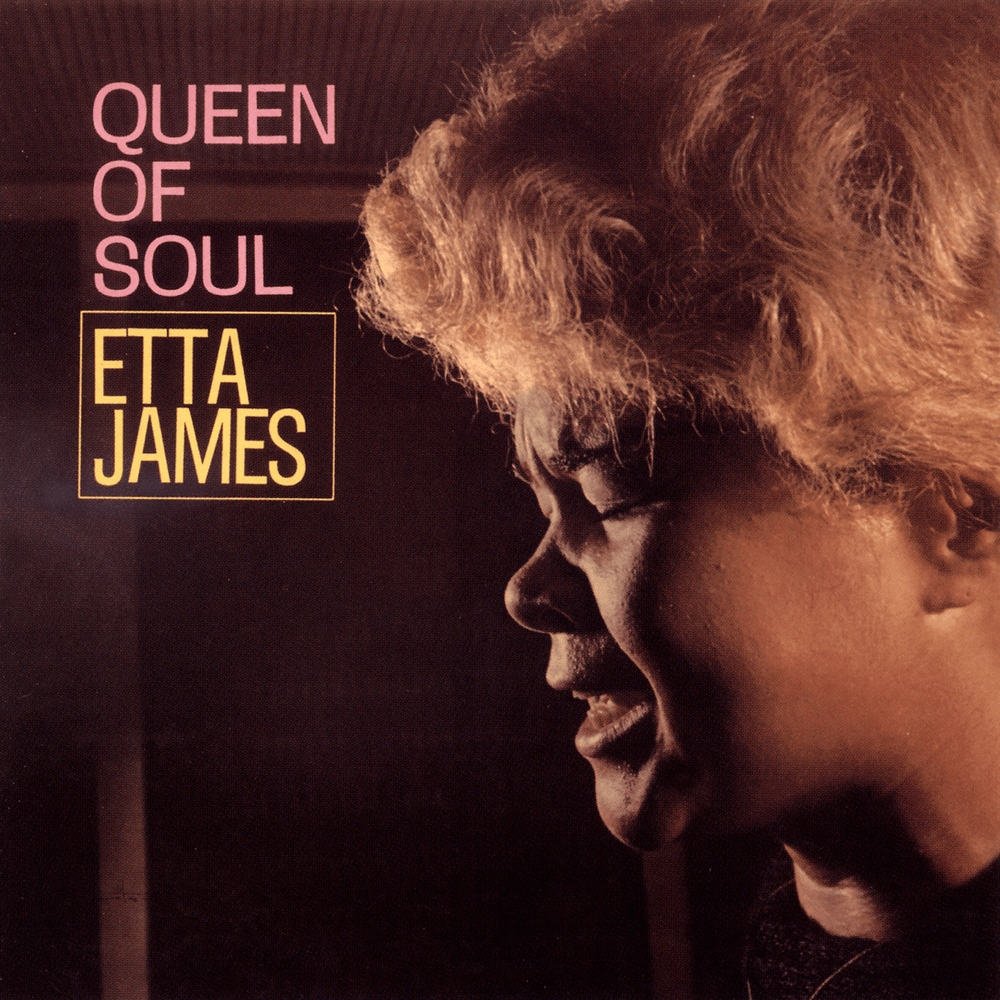
 View Artist