Song Meaning
The lyrics paint a stark picture of irreversible consequence, beginning with a violent farewell steeped in "crimson." The imagery of a "rose colored lullaby" creates a disturbing contrast, suggesting a twisted sense of peace or finality accompanying bloodshed. There's a palpable sense of finality, with the narrator stating, "it can't be taken back," immediately establishing the central theme of unforgivable actions.
The core tension arises from the inescapable nature of guilt and the promise of retribution. The repeated phrase "You can never make amends for the blood" underscores this, highlighting a profound moral debt. The lyrics suggest a cycle of violence, describing "Massacres on top of slaughters," driven by an insatiable "drive that keeps a man... wanting more." This relentless pursuit of more, likened to a predatory "Great White in the water," leaves a trail of suffering.
The most striking aspect of the craft is the relentless focus on the visceral image of "Blood" as the indelible mark of transgression. It's not just a consequence but a stain that "will never wash away." The lyrics employ a powerful, almost biblical sense of reckoning, promising that "One day you'll suffer for your sins." The final lines, "Try to erase, but you won't ever atone," hammer home the idea that some actions create a permanent severance from redemption.
This lyrical construction is effective because it bypasses nuanced exploration for raw, declarative pronouncements of guilt and judgment. The repeated emphasis on "blood" and the certainty of future suffering create a heavy, almost fatalistic atmosphere. It’s a direct confrontation with the idea that certain deeds, no matter the attempt to forget or deny, leave an unerasable mark, demanding a reckoning that transcends earthly justice.
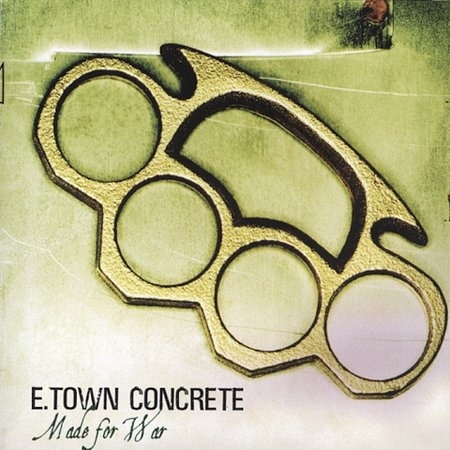
 View Artist