Song Meaning
The lyrics open with a spoken-word assertion that everyone possesses an inherent, priceless beauty, a notion immediately complicated by the question of its "price." This sets up a core tension: is true beauty something to be recognized within, or is it a commodity requiring costly upkeep and a specific aesthetic? The narrator then dives into a world where this abstract concept clashes with harsh realities.
The narrator is clearly struggling, "swimming in my troubles" and facing financial or life pressures, symbolized by the need to "stay afloat this quarter." There's a sense of regret and responsibility, particularly concerning his children: he "failed to coach my daughter" and must "get my son prepared." This personal burden is framed as a debt, something he "owed my father," suggesting a generational cycle of struggle and perhaps missed opportunities.
The craft here hinges on sharp, often ironic contrasts. The idea of "beauty" is juxtaposed with the grim imagery of financial hardship and familial failure. The line, "bad luck to raise the toast with water," highlights the performative aspect of success or normalcy that the narrator can't afford. Furthermore, the "ones who ain't make it" are still "putting their hands in the nick nack jar," a mundane, almost pathetic image that underscores the futility of their past aspirations and perhaps a warning for the narrator.
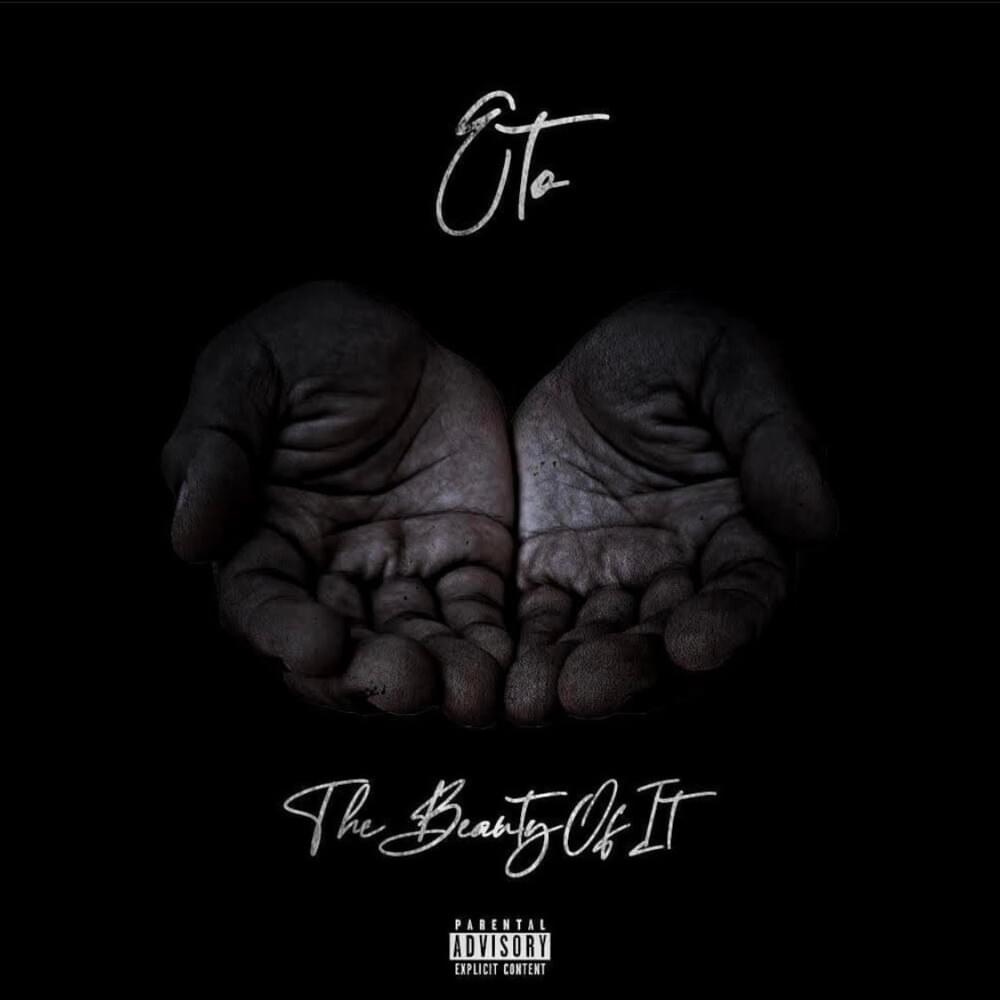
This lyrical approach hits hard because it grounds an abstract ideal – beauty – in the gritty, everyday grind of survival and parental duty. The narrator isn't waxing poetic about aesthetics; he's wrestling with the cost of living and the weight of his perceived shortcomings. The repeated phrase, "the beauty of it," becomes a darkly ironic refrain, suggesting that perhaps the only beauty left is in the sheer, unvarnished struggle itself, or in the faint hope that acknowledging these troubles is a form of grim self-awareness.
 View Artist