Song Meaning
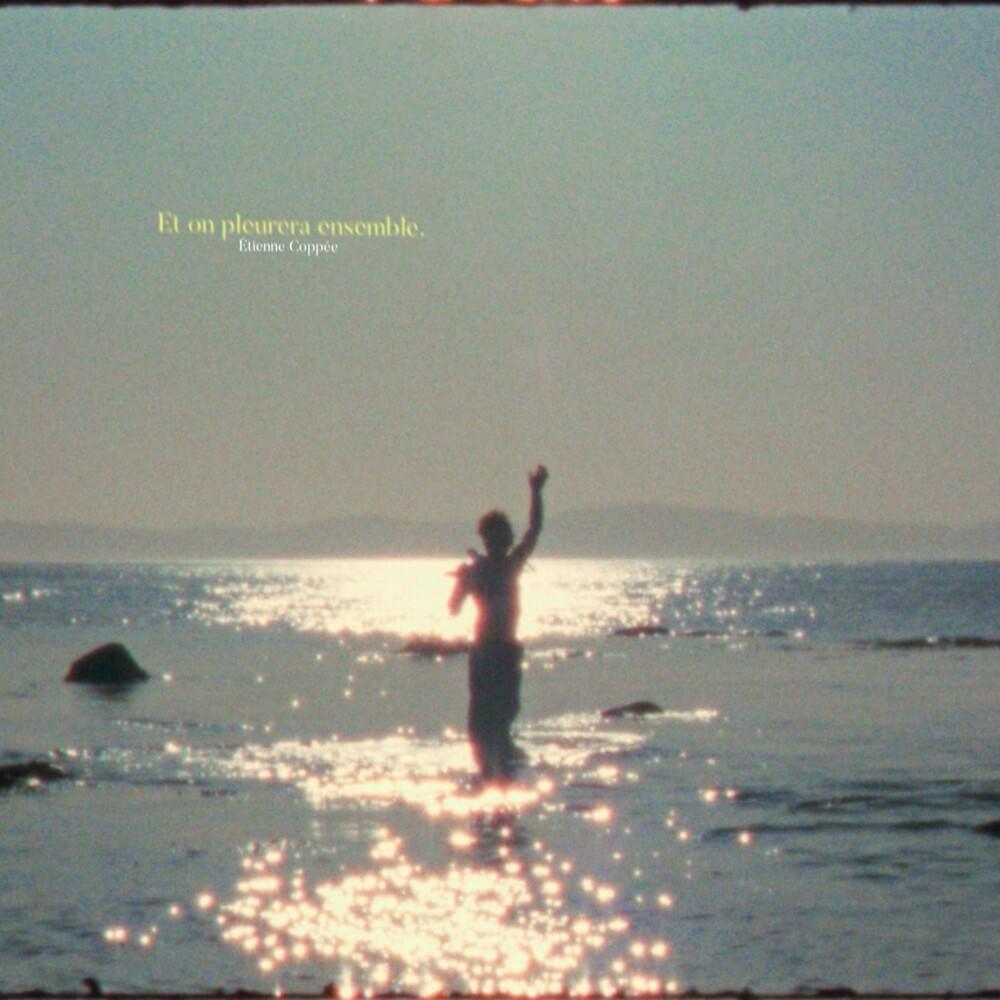
The lyrics paint a vivid picture of a past relationship tied to specific locations, the memory of which is both cherished and painful. The narrator recalls "Cap Bon-Ami" and "Gaspé," places that evoke intense sensory details like breath on the neck and love glistening on cheeks. These memories are presented as persistent, almost physical presences that the narrator struggles to suppress, likening this effort to trying to be a "good boy." The core tension lies in the contrast between the profound connection experienced and the eventual, inexplicable dissolution of the relationship, leaving only "the beautiful that remains."
The central conflict seems to be the narrator's grappling with loss and the enduring power of memory. The phrase "des souvenirs qui ne partent pas" (memories that don't leave) underscores this struggle. The narrator's desire to "faire taire" (silence them) suggests an active, ongoing battle against the past. This is further complicated by the yearning to reconnect with a sense of self and belonging, as indicated by the desire to "Retrouver mes fleurs mes frères / Retrouver mon corps une maison" (Find my flowers my brothers / Find my body a home). This suggests a feeling of displacement or fragmentation following the relationship's end.
The most striking craft element is the juxtaposition of intimate, sensory details with the stark finality of the relationship's end. The image of breath "creusait dans mon cou" (digging into my neck) is intensely personal, while the progression from "un hiver qui nous sépare" (a winter that separates us) to "puis le printemps et puis rien" (then spring and then nothing) is a masterful, understated depiction of fading connection. The final line, "Rien que le beau qui reste" (Nothing but the beautiful that remains), offers a poignant resolution, suggesting that while the relationship is gone, its positive essence endures, albeit in a melancholic way.
 View Artist