Song Meaning
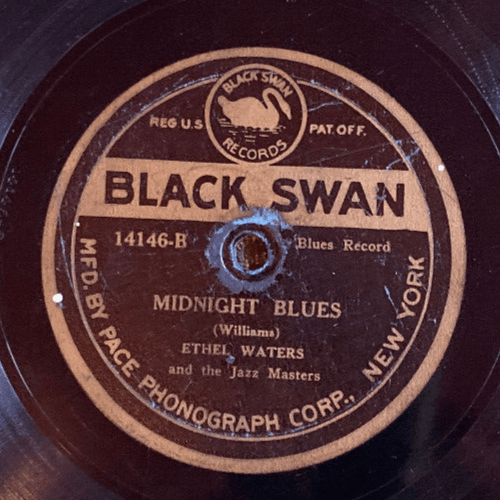
Ethel Waters' "Midnight Blues" isn't just a song; it's a raw, visceral plunge into the depths of abandonment and the particular kind of pain that festers in the dead of night. The repeated plea, "Daddy, daddy, please come back to me," isn't a saccharine request, but a primal scream echoing the hollowness left by a father's departure. Waters doesn't just sing about loneliness; she embodies it, becoming the very personification of that midnight ache. The stark simplicity of the lyrics amplifies the emotional weight, stripping away any pretense to reveal the bare bones of heartbreak.
The midnight hour serves as more than just a time stamp; it's a metaphorical space where vulnerability reigns. It's when the defenses crumble, and the "meanest kind of lonesome midnight blues" creep in. The striking of twelve isn't just the time he left, but a recurring trigger, unlocking not just sadness, but a simmering "hate." This isn't a passive lament; it's a brewing storm of resentment and grief, a potent cocktail that threatens to consume the singer. The blues, in this context, become a manifestation of that internal conflict, a way to externalize the otherwise unbearable weight of her despair.
Waters' genius lies in her ability to convey profound emotional complexity through deceptively simple language. The repetition of phrases like "lonesome midnight blues" drills the feeling into the listener's psyche. The song's structure, built around the verses and choruses, mirrors the cyclical nature of grief, the way the same painful thoughts and feelings resurface again and again. "Midnight Blues" is a testament to the enduring power of the blues to capture the human condition, to give voice to the unspoken pain that dwells within us all, especially when the world is hushed and the only sound is the echo of our own loneliness.
 View Artist