Song Meaning
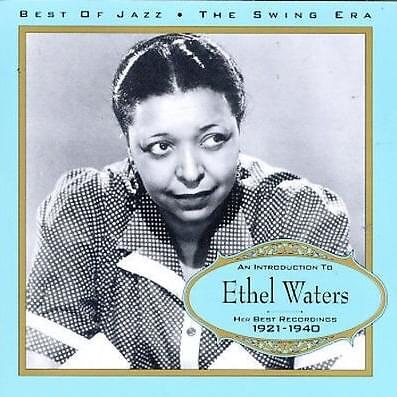
Ethel Waters's rendition of "Memories of You" is a masterclass in melancholic longing, a poignant exploration of how the past relentlessly bleeds into the present. The song meaning revolves around the inescapable nature of remembrance, particularly the bittersweet agony of recalling a love that's no longer present. It's not just about missing someone; it's about the way their ghost permeates the mundane, turning ordinary moments – sunrises, sunsets, familiar places – into painful reminders. The lyrics paint a picture of a mind haunted, where even dreams offer no respite but instead amplify the ache of absence. Waters's delivery, imbued with a world-weariness that only she could conjure, elevates the song beyond simple nostalgia into a profound meditation on grief.
The genius of "Memories of You" lies in its subtle understanding of the human psyche. The repeated phrase "memories of you" acts as a mantra, an obsessive loop that mirrors the narrator's inability to break free from the past. The desire to "forget those happy yesteryears" isn't a rejection of the love itself, but a desperate plea for relief from the constant pain it now evokes. The "rosary of tears" is a particularly striking image, suggesting a ritualistic mourning, a continuous cycle of sorrow that shapes the narrator's present experience. The lyrics don't offer a story of a specific event, but rather a state of being, a portrait of someone drowning in the echoes of what was.
Ultimately, Ethel Waters's interpretation of "Memories of You" is about the enduring power of love, even in its absence. It's a recognition that some connections leave an indelible mark, forever altering the landscape of our inner world. The song's emotional resonance stems from its honesty; it doesn't shy away from the pain, the frustration, or the helplessness that accompanies profound loss. Instead, it embraces these feelings, transforming them into a hauntingly beautiful testament to the enduring power of memory. It's a reminder that while we may wish to escape the past, it often defines us in ways we can't fully comprehend.
 View Artist