Song Meaning
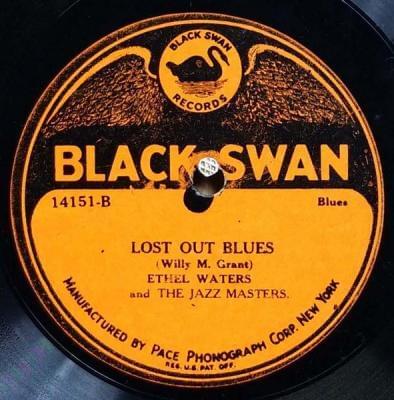
Ethel Waters’ "Lost Out Blues" isn't just a lament; it's a brisk dismissal. The song's sharp, almost gleeful rejection of a former lover hinges on a central theme: accountability. Waters doesn't wallow; she eviscerates. The opening lines, dripping with sardonic sweetness, immediately establish the ex-lover's culpability. His "mean" behavior isn't a minor offense, but a fundamental flaw that has led to his current state of deprivation. It's a psychological autopsy of a relationship killed by his own actions. He's not just unlucky; he's reaped what he sowed. This isn't about lost love; it’s about deserved consequences. Waters uses a motherly tone to indict him for not being worthy of even basic care.
The sting of "Lost Out Blues" lies in its inversion of traditional blues tropes. Where the blues often express longing and regret, Waters offers a cold, hard dose of reality. The reference to casting bread on the water, subverted to casting it "upon the ground," suggests a fundamental misunderstanding of reciprocity and investment in the relationship. He has squandered his resources, both material and emotional, and now faces the consequences. The core of the song meaning revolves around this idea of wasted potential and the direct link between behavior and outcome. She has replaced him because of his actions.
Ultimately, "Lost Out Blues" is a powerful statement of self-respect and agency. Waters reclaims the blues narrative, refusing to be a victim. The "lost out blues" aren't hers; they belong to the man who squandered his chance. The final verse is almost taunting, urging him to "keep on walking" and to embrace the consequences of his actions. The song's power lies in its unwavering gaze, its refusal to offer comfort or sympathy. It's a brutal, but ultimately liberating, declaration of independence, delivered with Waters' signature blend of sass and sophistication.
 View Artist