Song Meaning
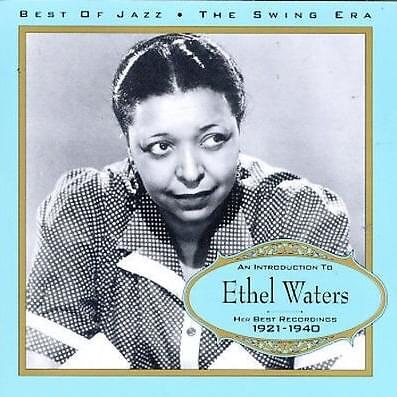
Ethel Waters' "I'm Coming Virginia" isn't just a nostalgic trip; it's a raw, exposed nerve of someone grappling with the push and pull of identity, place, and belonging. The opening lines, a demand to "Stop the traffic to Dixie," immediately establish a forceful yearning, a need to halt the outside world and prioritize this return. It's more than homesickness; it's an assertion of self. The speaker isn't simply missing Virginia; she's missing a part of herself that she believes can only be recovered there. The lyrics analysis reveals a complex relationship with the past. There's shame and regret baked into the lines "Don't hold it against me / For runnin' away," suggesting a past transgression, a departure that carries a weight of guilt and the sting of self-imposed exile.
The repeated phrase "I'm comin' Virginia, I'm comin' to stay" functions as both a promise and a desperate plea. It's a mantra meant to convince not only Virginia, but also herself. The attempt to forget, as she admits, highlights a deeper conflict. The phrase "dear old mammy tune" is particularly loaded. While it evokes a sense of comfort and tradition, it also hints at the complexities of Southern identity, particularly for a Black woman like Ethel Waters. Was this "mammy tune" a source of genuine solace, or a symbol of a constrained past? The song doesn't offer easy answers, instead leaving the listener to wrestle with the inherent contradictions.
The desire to "win ya" suggests that Virginia isn't just a place, but a personified entity, perhaps representing a lost love, a sense of community, or even a former version of herself. The promise to "never more roam" underscores the depth of this commitment, the willingness to sacrifice independence for the perceived security of belonging. The song meaning ultimately resides in this tension: the desire to return to a place that is both comforting and potentially constricting, a place that holds both the promise of redemption and the risk of stagnation. It's a journey inward, disguised as a journey home.
 View Artist