Song Meaning
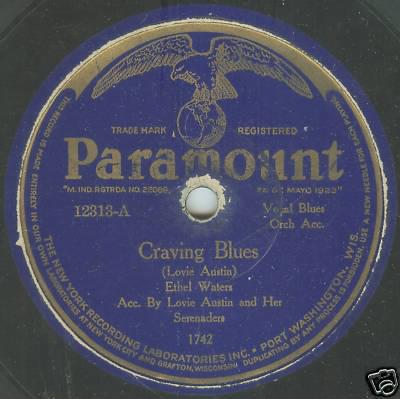
Ethel Waters's "Craving Blues" isn't just a lament; it's a sharp dissection of desire itself. Waters, a powerhouse vocalist who navigated racial and gendered constraints with unmatched artistry, lays bare the raw nerve of wanting – whether it's love, gold, or simply an escape from the soul-crushing weight of the blues. The opening lines, "Some people crave for lovin'/Some people crave for gold/But cravin' is just a habit/So I've been told," immediately establishes a cynical, almost sociological perspective. It's as if Waters is both experiencing the craving and observing it from a detached distance, recognizing its potentially addictive nature. The doctor's diagnosis – that she's simply "craving a remedy to cure the blues" – is almost a punchline, a darkly humorous acknowledgment that the cure might be as elusive as the craving itself.
But the song's true power lies in its specificity. This isn't just about a general sense of longing; it's about the very particular pain of romantic betrayal and the precariousness of a woman's position in love. The "bobbed-haired flapper" who steals her man is a potent symbol of the changing times, of female agency and sexual liberation that simultaneously empowers some women while threatening others. The narrator's assertion, "I love my man, I'll tell the world I do/And good as I've been, he ought to love me too," is both a declaration of devotion and a desperate plea for validation. It reveals the vulnerability beneath the bluesy facade, the fear that her worth is contingent on male affection.
The push and pull within the relationship – "When I want to love him, he wants to fuss and fight" – speaks to a deeper power dynamic. It's a portrait of a love affair riddled with conflict, where emotional needs are unmet and affection is conditional. In this context, the "craving a remedy to cure the blues" becomes more than just a desire for solace; it's a yearning for control, for a way to soothe the anxieties and insecurities that plague her. The instrumental break acts as a moment of respite, a temporary escape from the emotional turmoil, before the final, repeated line underscores the inescapable nature of her craving. It's a craving not just for a cure, but for a love that is stable, reciprocated, and free from the constant threat of heartbreak.
 View Artist