Song Meaning
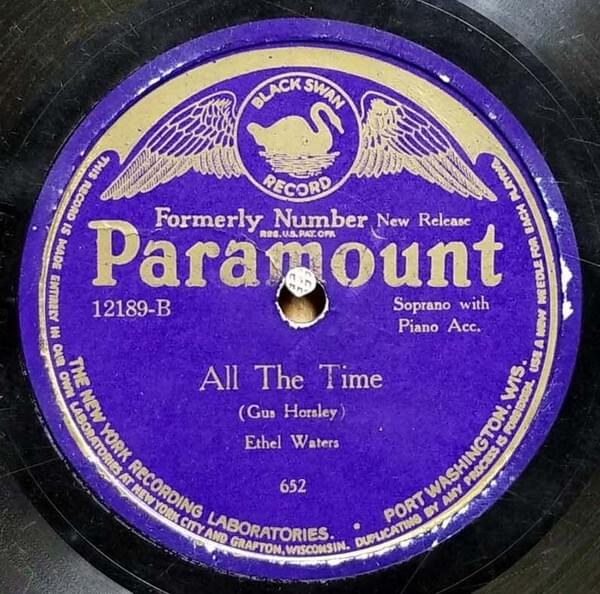
Ethel Waters' "All The Time" is a masterclass in bluesy emotional turmoil, a raw exploration of abandonment and obsession teetering on the edge of something far more dangerous. The song encapsulates a psychological portrait of a woman consumed by a lover's departure, her world reduced to a single, agonizing point: his absence. Waters doesn't just sing about heartbreak; she embodies its spiraling descent into potential madness. The repeated phrase "all the time/He rests on my mind" isn't just a lyrical hook; it's a mantra of obsessive thought, the kind that erodes sanity and fuels desperate acts.
The early verses portray the classic symptoms of lovesickness: lost appetite, sleeplessness, and a pervasive sense of dread. But Waters subtly elevates this familiar territory. The simplicity of the lyrics, like "My babe went away/Day 'fore yesterday," belies the profound depth of feeling. It's the kind of blunt, almost childlike expression that hints at a mind unraveling, unable to process the complexity of the situation. The introduction of suicidal ideation ("I'm going down to the dock, jump into the sea") marks a significant escalation, a desperate plea for release from the torment of her thoughts. This isn't just sadness; it's a crisis.
The final verse twists the knife further, revealing a chilling turn towards violent retribution. The line "I went downtown today, bought myself a knife/So when I meet that man, I'm going to take his life" is a stark declaration of intent, a chilling manifestation of the speaker's unraveling psyche. The transformation from passive victim to vengeful aggressor is both shocking and, within the context of the song's emotional logic, disturbingly understandable. The blues, in Waters' hands, becomes a vehicle for exploring the darkest corners of the human heart, where love and hate intertwine in a dangerous dance. "All The Time" is far more than just a lament; it's a stark warning about the destructive power of unchecked obsession.
 View Artist