Song Meaning
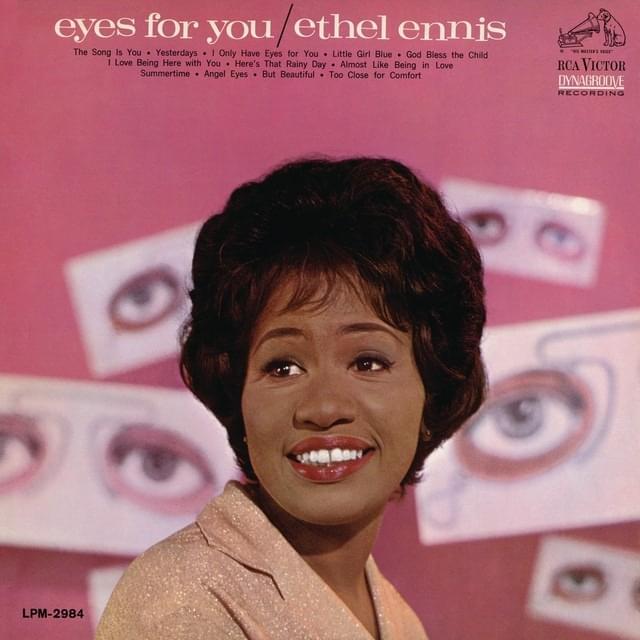
Ethel Ennis's rendition of "Angel Eyes" isn't just a jazz standard; it's a masterclass in melancholic self-deception. The surface reads like a classic torch song, lamenting lost love, but a deeper listen reveals a narrator wrestling with denial. The repeated phrase "angel eyes" becomes an ironic symbol – not of innocence or purity, but of a deceptive allure that has led to heartbreak. Ennis's interpretation highlights the psychological complexity of longing, where the memory of a lover is both cherished and condemned. The lyrics reveal a person caught in a loop of self-inflicted pain.
The bridge offers a stark contrast. The narrator, surrounded by revelry, attempts to mask their sorrow with forced generosity. "Drink up, all of you people," they urge, projecting an image of carefree abandon while internally crumbling. This performative happiness underscores the profound isolation at the heart of the song. The lines "Have fun, you happy people / Drink and the laugh's on me" drip with sarcasm, suggesting a self-awareness that only amplifies the tragedy. It's a moment of raw vulnerability disguised as nonchalance, a defense mechanism against the pain of absence.
The final verse and outro cement the song's exploration of self-avoidance. The narrator's desperate search for "who's now number one" is a futile attempt to regain control and understand the rejection. The concluding line, "'Scuse me, while I disappear," is a chilling admission of defeat. It's not a literal vanishing, but a metaphorical fading away – a retreat into the shadows of heartbreak, unable to confront the reality of lost love. Ethel Ennis doesn't just sing "Angel Eyes"; she embodies the quiet desperation of a soul lost in the labyrinth of its own emotions.
 View Artist