Song Meaning
The lyrics paint a stark, unflinching portrait of addiction, specifically focusing on the immediate aftermath of drug use. The scene is visceral: a head in the toilet, a spilled mirror with cocaine residue, and blood on the floor from a cut nostril. This isn't a romanticized depiction; it's raw and immediate, capturing the physical toll and isolation of the experience. The narrator is observing someone deep in the throes of it, detailing the grim reality.
The central tension arises from the narrator's attempt to connect with someone utterly consumed by their addiction. The repeated question, "Dime cómo ves el mundo exiliado en cada lavabo" (Tell me how you see the world exiled in every bathroom), highlights the profound disconnect. The person is trapped, not just physically in the bathroom, but mentally and emotionally, their perception warped by drug use and the desperate act of self-medication ("Contando cada minuto administrándote los gramos" - Counting every minute administering the grams). The narrator acts as a grim messenger, delivering news of abandonment, emphasizing their own solitary presence by the addict's side.
The most striking craft element is the recurring motif of being "exiled in the bathroom." This isn't just a physical location; it becomes a metaphor for a state of being – a self-imposed isolation and a world reduced to the immediate, desperate needs of addiction. The contrast between the outside world (the wind, the narrator's face) and the addict's internal, drug-altered reality (seen through "desquiciados" eyes, smelling the wind from a "white septum") is stark. The narrator's plea in the outro, "Cuéntame que estás enganchado" (Tell me you're hooked), is a desperate attempt to break through the exile, to acknowledge the truth of the situation.
This writing is effective because it grounds its emotional weight in concrete, often unpleasant, imagery. There's no sugarcoating; the details of the cut nostril and the blood on the floor make the struggle palpable. The narrator's position as the sole witness, delivering harsh truths while simultaneously offering a strange form of companionship, creates a complex emotional dynamic. It's the brutal honesty of the depiction and the raw, almost conversational tone that makes the listener confront the bleak reality of addiction without flinching.
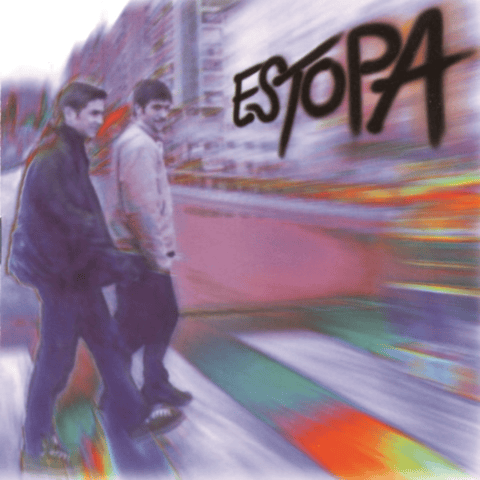
 View Artist